


How To Increase Boiler Pressure Without Ignoring The Cause
Wondering How To Increase Boiler Pressure? Start Here.
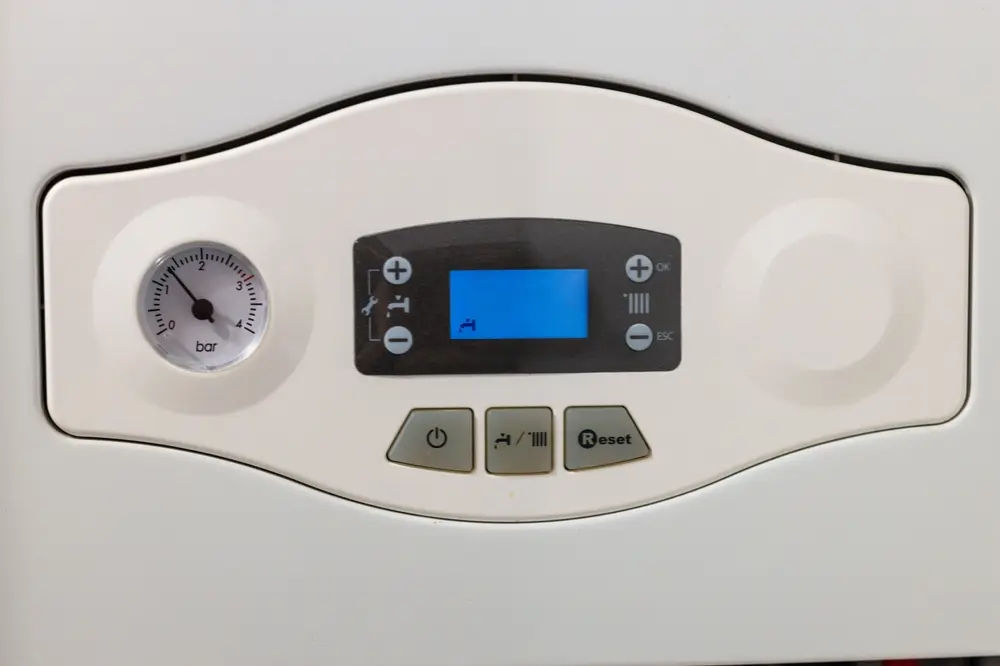
How to increase boiler pressure is usually straightforward, but the more important question is often why the pressure dropped. A sealed central heating system needs enough pressure to circulate heated water around the boiler, pipework and radiators. When it becomes too low, the boiler may stop working, show an error code or leave you without reliable heating or hot water.
This guide explains how to check the pressure gauge, top up the system where appropriate and recognise when pressure loss needs professional attention.
Quick Summary
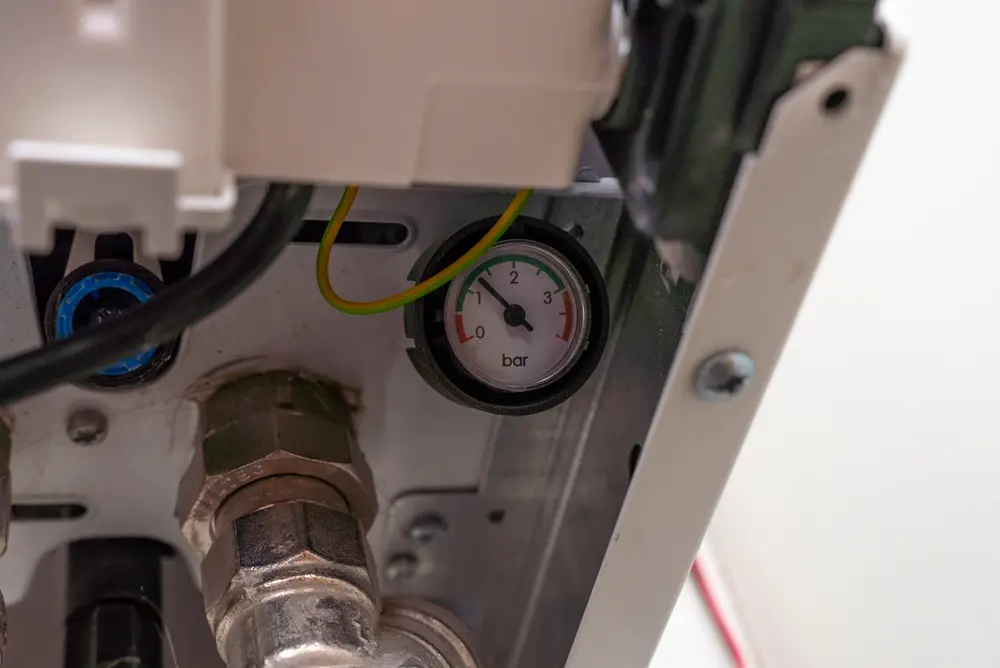
Many boilers should show around 1.0 to 1.5 bar when the heating is cold, although the correct level depends on the model. If the reading is low, you may be able to increase it using the boiler’s filling loop or built-in filling mechanism. Follow the manufacturer’s instructions, stop at the recommended pressure and contact a Gas Safe engineer if it keeps dropping.
What Pressure Should My Boiler Be?
For many domestic sealed systems, normal cold pressure is between 1.0 and 1.5 bar. It may rise while the heating is running because heated water expands, then fall as the system cools. Your boiler manual should take priority because operating ranges vary between models.
Pressure Reading |
What It May Mean |
What to Do |
|
Below 1.0 bar |
The system may be under-pressurised |
Check the manual and consider repressurising |
|
Around 1.0–1.5 bar when cold |
Common normal range |
No action is usually needed |
|
Rising sharply when hot |
Possible expansion vessel issue |
Arrange an engineer’s inspection |
|
In the red zone |
Pressure may be too high |
Seek advice rather than adding water |
A pressure increase of more than approximately 1 bar while the system heats up can indicate that the expansion vessel requires attention.
Boiler system pressure is not the same as the water pressure at your taps or shower. They relate to different parts of the plumbing system.
How to Increase Boiler Pressure Safely
Your boiler may use an external filling loop, filling key, lever or built-in filling system. Before touching anything, check the appliance manual and identify the correct controls.
- Switch the heating off and allow the system to cool.
- Check the pressure gauge or display to confirm that the reading is low.
- Locate the filling mechanism shown in the boiler manual.
- Open the filling controls slowly so mains water enters the heating system.
- Watch the gauge and stop at the recommended cold pressure, commonly around 1.0 to 1.5 bar.
- Fully close the controls and check that no water is escaping.
- Switch the boiler back on and follow the manual if a fault code needs resetting.
Different manufacturers and models use different filling arrangements, so the instructions supplied with your boiler should always be followed.
Never remove the boiler casing or work on internal gas components. If the controls are unclear, damaged or difficult to operate, arrange professional help.
What If the Boiler Does Not Restart?
Some boilers restart automatically once the correct pressure is restored. Others may continue showing a low-pressure fault code and need resetting through the normal user controls.
Check the Manual Before Repeated Resets
A reset will not repair a leak, faulty sensor or damaged internal component. If the same error returns quickly, an engineer should diagnose the fault.
Why Does My Boiler Keep Losing Pressure?
Boilers can lose some pressure after radiators are bled. However, frequent topping up usually means water is escaping or a component is not controlling pressure correctly.
Common causes include:
- Small leaks around radiator valves or pipe joints
- Water released while bleeding a radiator
- A pressure relief valve discharging water outside
- A problem with the expansion vessel
- An internal boiler leak or faulty pressure sensor
- Hidden leaks beneath floors or inside walls
Look for damp patches, staining, corrosion or drips around visible pipework and radiator valves. You can also check whether the external discharge pipe is dripping, as this may indicate a problem with the pressure relief valve.
Do not dismantle components or lift flooring to search for a hidden leak.
Is Repressurising the Boiler a Repair?
Repressurising restores water to the central heating system, but it does not fix ongoing pressure loss. If the pressure remains stable, the drop may have followed radiator bleeding or gradual loss over a long period.
If you are asking “why does my boiler pressure keep dropping?” every few days or weeks, repeatedly adding water may only mask the problem. Manufacturers advise contacting an installer when a system requires topping up much more frequently than normal.
A heating engineer can inspect the boiler and system to find out where the pressure is being lost.
When Should You Call a Gas Safe Engineer?
Arrange professional help when:
- The pressure falls again soon after topping up
- You can see water leaking from the boiler
- The pressure rises dramatically when the heating runs
- The filling controls will not close properly
- The boiler shows a recurring error code
- You are unsure which controls are safe to use
Work involving gas appliances and their internal gas components must be completed by someone correctly registered and qualified for the appliance. Check their details through the Gas Safe Register before work begins.
Get Repeated Pressure Loss Properly Checked
Knowing how to increase boiler pressure can get the heating running again, but recurring pressure loss needs investigation. KD Jones can inspect your boiler and central heating system, identify leaks or faulty components and explain the most suitable repair.
📞 Call us on 01737 211376
🌐 Visit our contact page to request a quote
📍 Based in Redhill, covering Surrey and surrounding areas.
If you liked this, you may also like: Old Boiler Replacement: When Is It Time To Upgrade?
Frequently Asked Questions About How to Increase Boiler Pressure
What pressure should my boiler be?
Most boilers should sit between 1.0 and 1.5 bar when the system is cold. Check your boiler manual for the exact recommended range.
Why does my boiler keep losing pressure?
Repeated pressure loss can be caused by leaks, a faulty pressure relief valve or an expansion vessel problem. If it keeps happening, arrange an engineer’s inspection.
How do I increase boiler pressure?
You will usually need to open the filling loop or built-in filling controls slowly while watching the pressure gauge. Stop once it reaches the recommended level.
Is 1.5 bar too high for a boiler?
Around 1.5 bar is usually normal when the boiler is cold. The pressure may rise slightly when the heating is running.
Can low boiler pressure stop the heating working?
Yes, many boilers shut down when the pressure drops too low. You may also see an error code or fault code on the display.
Why does my boiler pressure drop after bleeding a radiator?
Bleeding a radiator releases air and a small amount of water from the system. This can reduce the pressure and mean the boiler needs repressurising.
How often should I need to top up my boiler pressure?
Occasional topping up may be normal, especially after bleeding radiators. Needing to do it regularly suggests there may be a fault or leak.
Can I use my boiler if the pressure is too low?
The boiler may still run briefly, but low pressure can cause it to shut down or work unreliably. It is better to check and correct the pressure first.
Is boiler pressure the same as tap water pressure?
No, boiler pressure relates to the sealed central heating system. Tap and shower pressure comes from your home’s mains or stored water supply.
Do I need a Gas Safe engineer for low boiler pressure?
You can usually repressurise the boiler yourself if the manual clearly explains how. Call a Gas Safe engineer if the pressure keeps dropping, the controls are unclear or you can see a leak.