


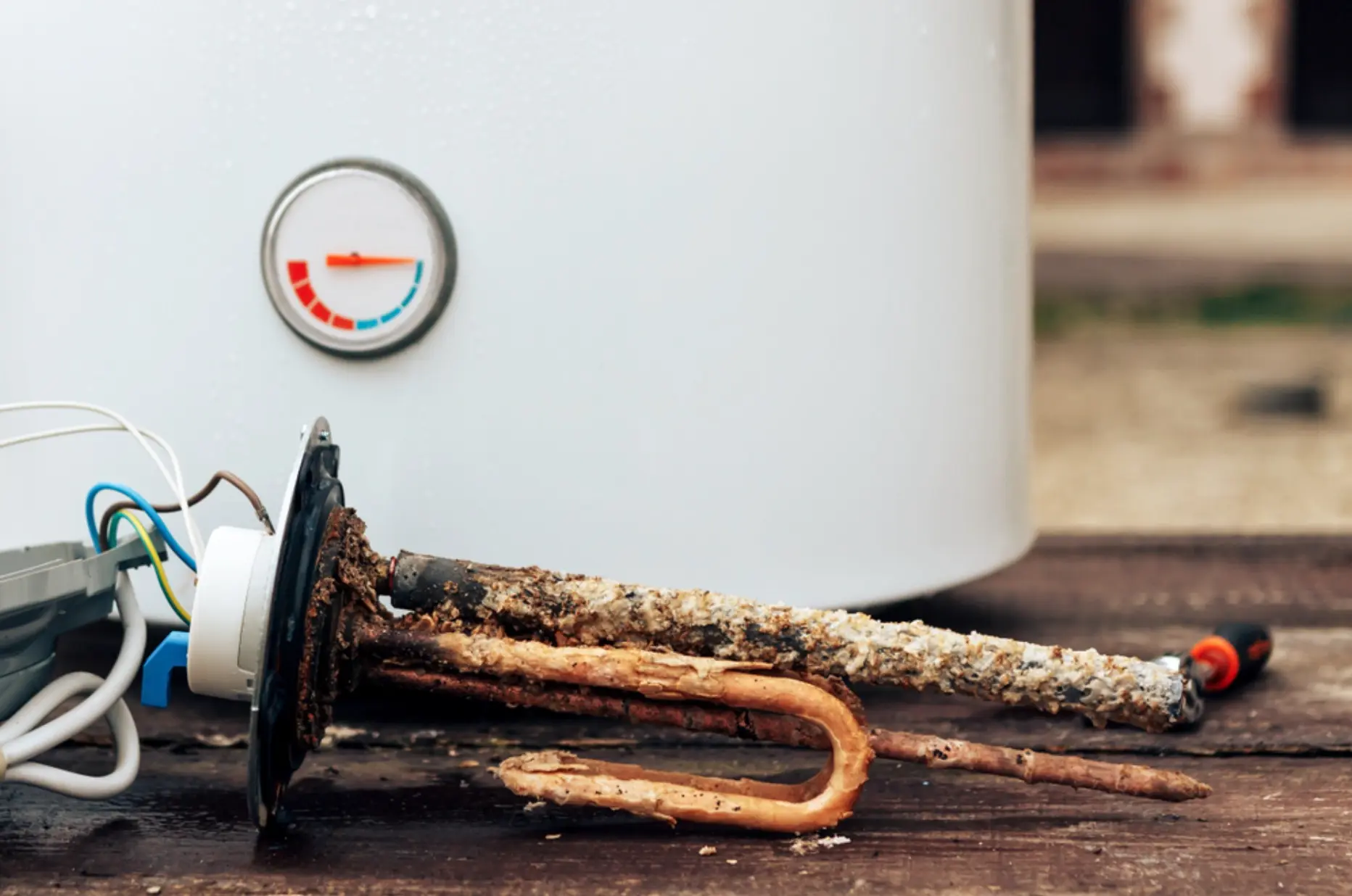
Old Boiler Replacement: When Is It Time To Upgrade?
If you are thinking about old boiler replacement, your boiler is probably giving you a fair reason for it. Another common question is what to do with your old boiler if it still works, but no longer feels reliable. Thankfully, this blog will help answer some of those questions and more, so that you know where you stand with your old boiler.
Quick Summary
An old boiler does not always need replacing straight away, but age, repair history, efficiency, safety and comfort all matter. If your boiler is becoming unreliable, old boiler replacement may be more sensible than repeated repairs. A new boiler installed by a Gas Safe registered heating engineer can improve reliability, heating control and energy saving.
When Does Old Boiler Replacement Make Sense?
Old boiler replacement usually makes sense when the boiler is no longer reliable, economical or suitable for the home. A boiler can still turn on while also being inefficient, slow, noisy or expensive to maintain.
The clearest warning sign is often a pattern. One repair may be normal. Several repairs in a short period can suggest the boiler is reaching the point where money would be better spent on replacement. Modern condensing boilers recover heat that older boilers would otherwise lose, and Energy Saving Trust says efficient boilers and good heating controls can reduce energy use and improve heating performance.
How Old is My Boiler?
You can usually find your boiler’s age from the installation paperwork, service record, appliance data plate, or model and serial number. If you are unsure, a heating engineer can usually identify the approximate age during a boiler service or inspection.
Age alone is not the only factor. Some older boilers are still safe and serviceable. Others become difficult to repair because parts are harder to source, faults are more frequent, or the boiler no longer works well with the wider heating system.
Boiler situation |
What it may mean |
Sensible next step |
|
Older but reliable |
Replacement may not be urgent |
Keep servicing it |
|
Frequent faults |
Repair costs may be stacking up |
|
|
Poor hot water |
Boiler may be struggling |
Book an assessment |
|
Parts hard to source |
Future repairs may be awkward |
Plan ahead |
Does an Old Boiler Use More Gas?
An old boiler can use more gas if it is less energy efficient, poorly maintained, incorrectly sized, or working with weak heating controls. Radiators, thermostats, timers, pipework and how you use the heating all affect your energy bills too.
A better result often comes from looking at the full central heating system. This may include:
- Replacing an inefficient existing boiler
- Improving heating controls
- Checking radiator performance
- Balancing the heating system
- Booking a proper boiler service
- Making sure the new boiler suits the property
This is why guessing rarely helps. A proper visit gives you clearer advice than simply assuming every old boiler needs replacing immediately.
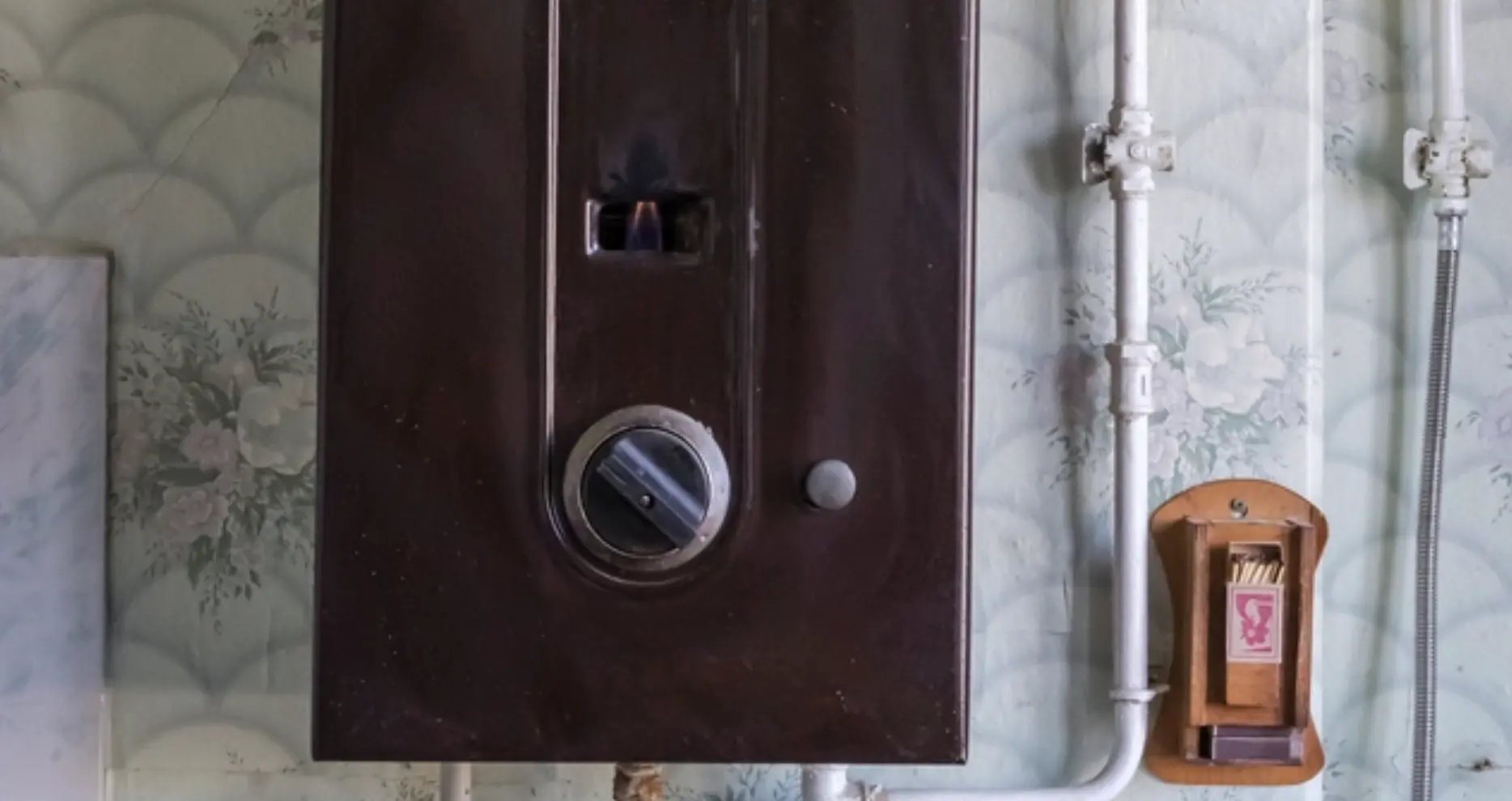
What to do with Your Old Boiler Before You Decide
Before replacing your boiler, it helps to look at the practical evidence rather than waiting for a complete breakdown.
Check the Boiler Properly
Start with the basics: age, performance, repair history, service records and current condition.
Look at the Repair Pattern
If your boiler has needed one minor repair, replacement may be unnecessary. If you are calling an engineer regularly, topping up pressure, resetting the boiler, or dealing with unreliable heating, the pattern matters.
A simple decision process is:
- Check how old the boiler is.
- Review recent repair costs.
- Ask whether heating and hot water are consistent.
- Consider whether parts are still available.
- Speak to a Gas Safe registered heating engineer.
By law, gas businesses and engineers must be on the Gas Safe Register to carry out gas work legally, and homeowners should check the engineer’s ID card.
What About a Boiler Grant or Heat Pump?
A boiler grant is worth asking about, but it is important to understand what current schemes support. The Boiler Upgrade Scheme applies in England and Wales and can help replace fossil fuel heating systems, including gas, oil, LPG or electric systems, with low carbon heating such as a heat pump or biomass boiler. It is normally not to replace an old gas boiler with another gas boiler.
Ofgem currently lists £7,500 towards air-to-water, ground source and water source heat pumps, £2,500 towards air-to-air heat pumps, and £5,000 towards biomass boilers. If you are applying for the grant, you will usually need an eligible installer to handle the process. If you want a new gas boiler installed, a grant may not apply, but professional advice still helps you choose the right option.
Speak to KD Jones About Old Boiler Replacement
If your old boiler is unreliable, inefficient, noisy or becoming expensive to repair, KD Jones can assess your existing boiler and explain the most sensible next step. That may be a repair, a boiler service, system improvements, or a new boiler installation.
Old boiler replacement does not need to be a rushed decision. With the right advice, you can plan ahead, improve reliability and make sure your heating and hot water are ready when you need them.
If you liked this, you may also like: Why Your Boiler Makes a Humming Noise
📞 Call us on 01737 211376
🌐 Visit our contact page to request a quote
📍 Based in Redhill, covering Surrey and surrounding areas
Frequently Asked Questions About Old Boiler Replacement
How do I know if my old boiler needs replacing?
Your old boiler may need replacing if it keeps breaking down, takes longer to heat your home, makes unusual noises, or struggles to provide consistent hot water. One fault does not always mean replacement, but repeated issues usually deserve a proper assessment.
Is it worth repairing an old boiler?
It can be worth repairing an old boiler if the fault is minor, parts are easy to source, and the boiler has otherwise been reliable. If repair costs are becoming regular, replacement may be better value over time.
How long should a gas boiler last?
Many gas boilers last around 10 to 15 years, although this depends on the model, servicing history and how heavily it is used. A well-maintained boiler may last longer, but age can still affect efficiency and reliability.
Does an old boiler use more gas than a new one?
An old boiler can use more gas if it is less efficient or struggling to heat the property properly. A modern boiler, good controls and a well-balanced heating system can all help reduce wasted energy.
What should I do with my old boiler when it is replaced?
Your heating engineer will usually remove the old boiler as part of the replacement work. It should be disposed of safely and responsibly, rather than being left for the homeowner to deal with.
Can I replace my old boiler with the same type?
In many cases, yes, but it depends on your property, hot water demand, heating system and current regulations. A heating engineer can confirm whether a similar gas boiler is suitable or whether another setup would work better.
Should I get a combi boiler when replacing an old boiler?
A combi boiler can be a good option if you want hot water on demand and do not need a separate hot water cylinder. Larger homes or homes with high hot water usage may need a different boiler setup.
Can I get a boiler grant for replacing an old gas boiler?
Current grant schemes are usually focused on low carbon heating, such as heat pumps, rather than simply replacing an old gas boiler with a new gas boiler. It is still worth checking eligibility before deciding.
Is summer a good time to replace an old boiler?
Summer can be a sensible time because heating engineers are often less busy than during the colder months. It also means you can avoid discovering a serious boiler fault when you actually need the heating most.
Who should install a replacement gas boiler?
A replacement gas boiler must be installed by a Gas Safe registered heating engineer. This helps make sure the boiler is fitted safely, legally and correctly for your home.