


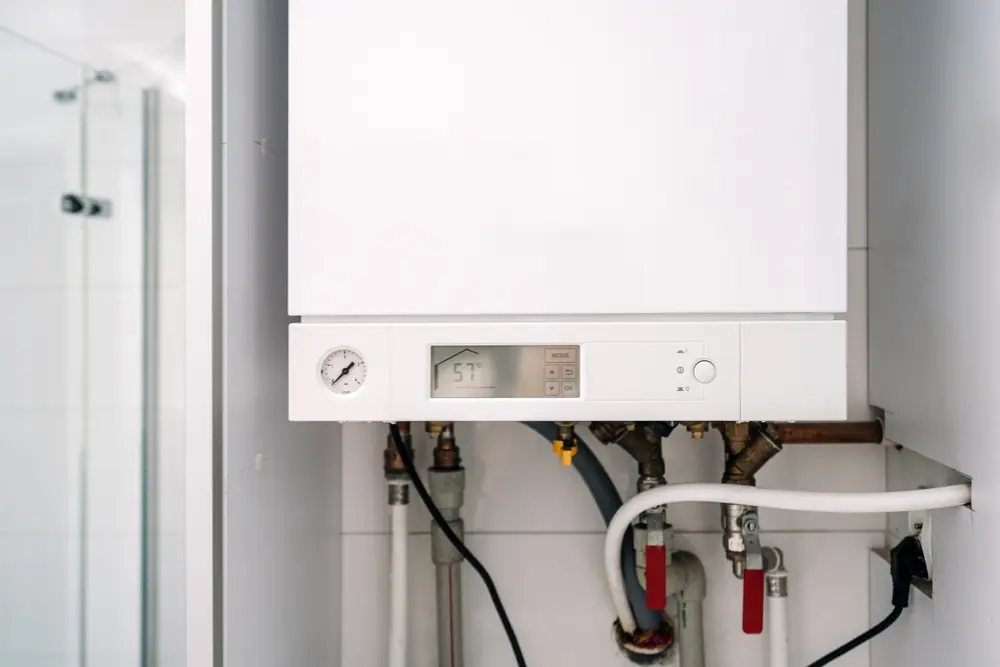
When To Get A New Boiler
Is Summer When To Get A New Boiler?
Knowing when to get a new boiler can help you avoid rushed decisions, unexpected breakdowns and days without reliable heating and hot water. If your boiler struggled through last winter, needed repeated attention or became increasingly expensive to run, it is unlikely to become more dependable before the cold weather returns.
Summer gives you time to assess your options, arrange the work properly and replace your boiler without the pressure of a freezing home.
Quick Summary
- A boiler that struggled last winter may experience similar or worsening problems next winter.
- Summer is often a practical time to arrange a boiler installation.
- Planning ahead gives you longer to choose the right type of boiler for your property.
- Repeated repairs, inconsistent heating and rising energy bills can indicate that replacement is worth considering.
- A Gas Safe registered engineer can assess your current boiler and recommend suitable options.
When to Get a New Boiler Rather Than Repair It Again
A single boiler fault does not necessarily mean that the whole appliance needs replacing. Many problems can be resolved by an experienced heating engineer, particularly when the boiler is still relatively modern and has been maintained through annual services.
However, replacement may become the more sensible option when problems are frequent, repairs are becoming more expensive or the boiler no longer meets the needs of the household.
Signs that it may be time to replace your boiler include:
- Regular breakdowns or recurring fault codes
- Unreliable heating and hot water
- Radiators taking longer to warm up
- Unusual noises from the boiler
- Replacement parts becoming difficult to source
- Noticeably higher energy bills without a clear reason
- The boiler struggling during periods of high demand
The important question is not simply whether the boiler can be repaired again. It is whether another repair represents good value when compared with installing a new boiler that may be more dependable and better suited to your home.
Why Summer Is a Good Time to Replace Your Boiler
Boilers tend to work hardest during autumn and winter. They are expected to provide heating for longer periods while continuing to meet the household’s hot water demand.
If your gas boiler was already struggling last winter, leaving it untouched throughout summer does not address the underlying problem. The first prolonged cold spell may simply expose the same fault again.
Planning a replacement during the warmer months offers several advantages:
- You are less dependent on the central heating system while the work takes place.
- You have more time to compare suitable boiler options.
- You can arrange the installation before heating engineers become busier during colder weather.
- Any related issues within the heating system can be identified before winter.
- You avoid making a rushed decision after an emergency breakdown.
Replacing a boiler should be a considered home improvement, not a panic purchase made because the house has suddenly become cold.
What Happens When a New Boiler Is Fitted?
Understanding what happens when a new boiler is fitted can make the process feel much more straightforward. The exact work will depend on your existing system, the new boiler and whether it is being installed in the same location.
A typical boiler replacement will involve removing the existing appliance, preparing the connections and installing the new unit. The engineer will then test the boiler and confirm that the heating and hot water are operating correctly.
Choosing the Right Type of Boiler
Before installing a new boiler, your heating engineer will consider several factors, including:
- The size and layout of the property
- The number of bathrooms
- Current hot water demand
- Existing pipework and controls
- The location of the current boiler
- The condition of the wider heating system
Combi Boiler or System Boiler?
A combi boiler provides heating and hot water directly from one appliance without requiring a separate hot water cylinder. It can be a practical choice for many smaller or medium-sized homes.
A system boiler works alongside a hot water cylinder and may be better suited to properties where several taps or showers are regularly used at the same time.
There is no single boiler type that is right for every home. A professional assessment helps ensure that the new boiler is correctly sized rather than selected purely on price.
What Can Affect the Boiler Installation?
Some boiler replacements are relatively straightforward, particularly when a similar boiler is fitted in the same position. Other projects involve additional work.
Installation Factor |
Why It Matters |
|
Boiler location |
Moving the boiler may require changes to pipework and the flue |
|
Boiler type |
Changing from a system boiler to a combi boiler can involve wider alterations |
|
Heating controls |
Older controls may be updated during the installation |
|
System condition |
Sludge, corrosion or circulation issues may need attention |
|
Hot water demand |
The new boiler must suit how the household actually uses hot water |
|
Flue position |
The flue must be installed in a suitable and compliant location |
A clear quotation should explain what is included in the boiler installation and whether any additional work is recommended.
Could a New Boiler Reduce Your Energy Bills?
A modern, appropriately sized and well-controlled boiler may use energy more effectively than an older appliance that is inefficient, oversized or performing poorly.
However, replacing your boiler does not automatically guarantee a particular reduction in energy bills. Costs will also depend on your home’s insulation, heating habits, thermostat settings, energy tariff and the condition of the overall central heating system.
The main benefits of a new boiler are often a combination of:
- More reliable heating and hot water
- Improved control over the heating system
- Reduced risk of repeated repair costs
- Quieter operation
- Greater confidence before winter
Your engineer should explain the efficiency rating of the proposed boiler and how it compares with your existing appliance.
Do Not Wait for the First Winter Breakdown
The worst time to start researching boiler replacement is usually when your current boiler has already stopped working. At that point, the priority becomes restoring heat as quickly as possible, leaving less time to consider different models, installation options and long-term value.
If last winter included repeated resets, cold radiators, unreliable hot water or expensive repair visits, summer is the sensible time to investigate the cause.
KD Jones can inspect your existing boiler, discuss whether repair or replacement is appropriate and recommend a suitable installation for your property. All gas work should be completed by a suitably qualified Gas Safe registered engineer.
To discuss when to get a new boiler or arrange an assessment, contact KD Jones.
📞 Call us on 01737 211376
🌐 Visit our contact page to request a quote
📍 Based in Redhill, covering Surrey and surrounding areas.
If you liked this, you may also like: Should I Replace My Conventional Boiler with a Combi?
Frequently Asked Questions About When to Get a New Boiler
How Do I Know When to Get a New Boiler?
Frequent breakdowns, unreliable heating, rising repair costs and difficulty finding replacement parts can all point towards replacement. A heating engineer can assess whether another repair still makes financial sense.
Should I Replace My Boiler Before It Breaks?
You do not always need to wait for a complete breakdown. Planning ahead gives you more time to compare boilers, understand the installation and avoid making a rushed decision during cold weather.
Is Summer a Good Time to Replace a Boiler?
Yes, summer can be a practical time because you are less dependent on your heating. It also means the new boiler can be fitted and tested before temperatures begin to fall.
How Long Does a Boiler Installation Take?
A straightforward replacement can often be completed within a day. Moving the boiler, changing the type of system or completing additional pipework may make the installation take longer.
What Happens When a New Boiler Is Fitted?
The old boiler is removed, the new appliance is connected and the wider system is checked. The engineer will test the heating and hot water, explain the controls and complete the necessary paperwork.
Do I Need a Combi Boiler or a System Boiler?
That depends on your property, water pressure, bathroom use and existing heating system. Combi boilers suit many homes, while system boilers can be useful where several outlets need hot water at once.
Will a New Boiler Lower My Energy Bills?
A modern boiler may use gas more efficiently than an older or poorly performing model. The actual saving will also depend on insulation, heating controls, energy prices and how you use your heating.
Can I Keep My Existing Radiators With a New Boiler?
Often, yes. The engineer should check the radiators, pipework and circulation to confirm they are suitable and identify any existing problems within the central heating system.
Does a New Boiler Need Annual Servicing?
Annual servicing is usually recommended to keep the boiler working safely and efficiently. It may also be required to maintain the manufacturer’s warranty.
Who Is Allowed to Install a Gas Boiler?
A gas boiler must be installed by a suitably qualified Gas Safe registered engineer. You can check an engineer’s registration and qualifications through the Gas Safe Register.