


‘Should I Replace My Conventional Boiler with a Combi?’
‘Should I Replace My Conventional Boiler with a Combi?’ 7 Important Factors to Consider
Quick Summary
If you're wondering “should I replace my conventional boiler with a combi”, the answer depends on your home, water usage, and long-term plans. Combi boilers are compact, energy-efficient, and provide hot water on demand, but they’re not the perfect fit for every household. This guide breaks down the key considerations so you can make an informed decision.
What Is a Combi Boiler?
Before deciding whether to switch, it’s important to understand what is a combi boiler. A combi (combination) boiler is a single unit that provides both central heating and hot water directly from the mains.
Unlike conventional boilers, there’s no need for a separate hot water cylinder or cold water tank. Everything is contained within one compact system, making it ideal for homes where space is limited.
How Does a Combi Boiler Work?
A common question we hear is how does a combi boiler work in practice?
Combi boilers heat water directly from the mains when you turn on a tap or shower. This means:
- No waiting for a tank to refill
- No stored hot water running out
- Improved efficiency, as water is only heated when needed
This “on-demand” system is one of the main reasons homeowners consider upgrading from a conventional setup.
Why Consider Replacing a Conventional Boiler?
Many older homes still rely on conventional boilers with tanks and cylinders. While reliable, these systems can become inefficient and take up valuable space.
Here are a few reasons people start asking should I replace my conventional boiler with a combi:
1. Space-Saving Benefits
Conventional systems require both a hot water cylinder (usually in an airing cupboard) and a cold water tank (often in the loft). Switching to a combi frees up this space, giving you more usable room in your home.
2. Energy Efficiency Improvements
Modern combi boilers are highly efficient, often achieving over 90% efficiency ratings. Because they only heat water when needed, they can reduce energy waste compared to older conventional systems.
This can lead to noticeable savings on your energy bills over time.
3. Unlimited Hot Water (With Limits)
Combi boilers provide hot water on demand, which sounds ideal, but there’s a caveat. While you won’t run out of hot water, the system can struggle if multiple taps or showers are used at the same time.
This makes them better suited to smaller households or properties with lower simultaneous water demand.
4. Simplified System
With fewer components (no tanks or cylinders), combi boilers are generally simpler systems. This can mean:
- Fewer potential points of failure
- Easier maintenance
- Cleaner installation
When a Combi Boiler Might Not Be the Best Choice
Although combi boilers offer many advantages, they’re not always the right solution.
High Water Demand Homes
If your household regularly uses multiple bathrooms at once, a combi boiler may struggle to maintain consistent pressure and temperature.
In these cases, sticking with a system or conventional boiler could be the better option.
Low Mains Water Pressure
Because combi boilers rely on mains pressure, homes with a weak water supply may not get the full benefit of switching.
A professional assessment is essential before making the change.
Larger Properties
For larger homes with multiple occupants, a conventional or system boiler can sometimes provide more reliable performance across several outlets.
How Much Is a New Combi Boiler?
Another key consideration when asking should I replace my conventional boiler with a combi is cost.
So, how much is a new combi boiler?
Typical costs in the UK can range from:
- £1,800 to £3,500+ for the boiler and installation
- Higher if system changes are required (e.g. removing tanks, upgrading pipework)
While the upfront cost can be significant, the long-term energy savings and reduced maintenance can make it a worthwhile investment.
Installation Considerations
Switching from a conventional boiler to a combi is not always a straightforward swap.
It may involve:
- Removing the hot water cylinder and loft tank
- Upgrading pipework
- Adjusting water pressure systems
- Installing new controls
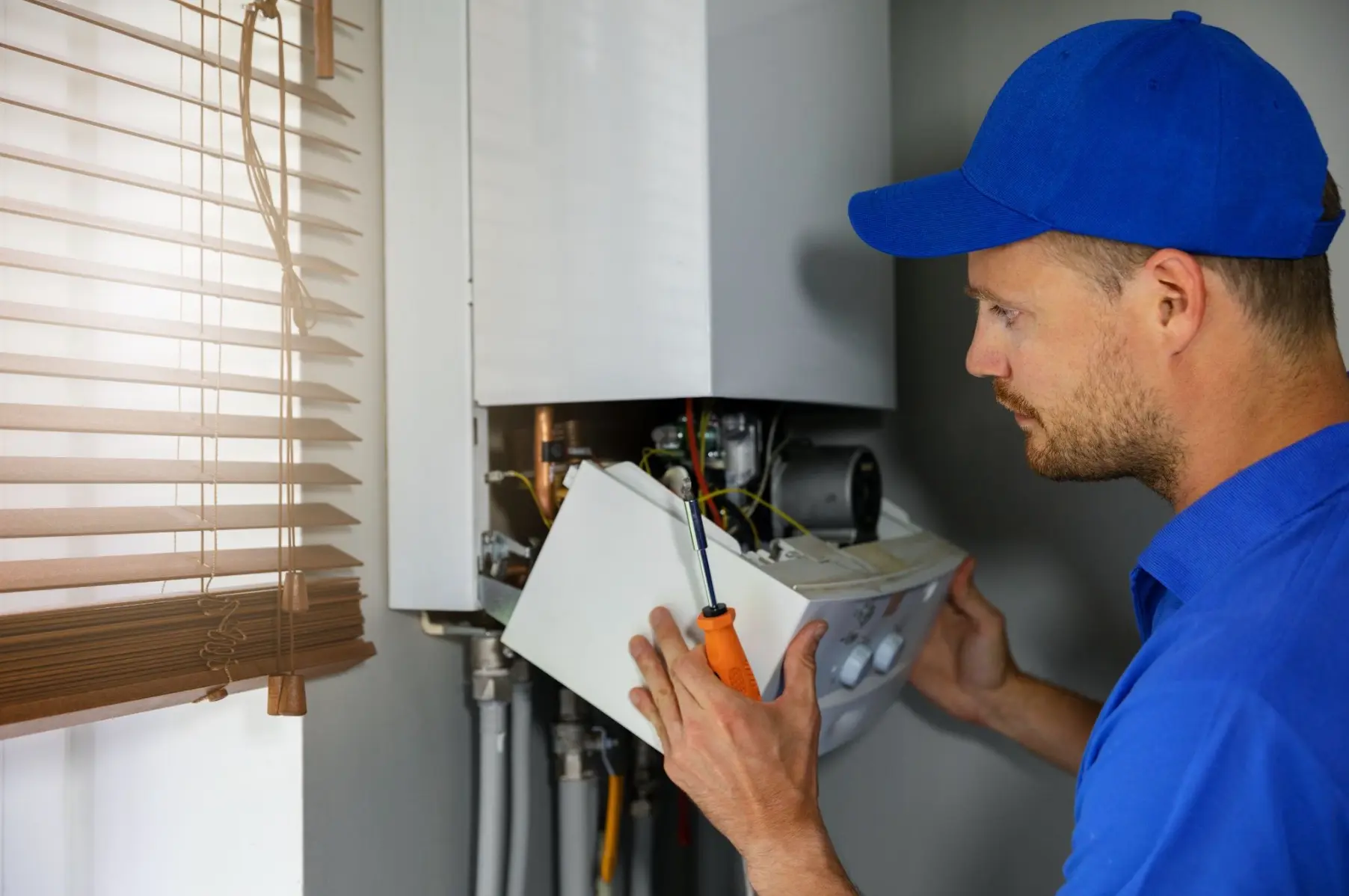
This is why it’s essential to work with experienced heating engineers who can assess your home and recommend the best approach.
Is It Worth Making the Switch?
So, should I replace my conventional boiler with a combi?
It’s often worth it if:
- You want to save space
- Your household has moderate water usage
- You’re looking to improve energy efficiency
- Your current system is ageing or inefficient
However, if your home has high water demand or low mains pressure, it’s worth exploring alternative options.
Speak to KD Jones!
Every home is different, and there’s no one-size-fits-all answer. At KD Jones Heating Engineers, we provide honest, tailored advice based on your property, usage, and budget.
If you’re considering upgrading your boiler, our team can carry out a full assessment and recommend the most suitable system for your needs.
Contact KD Jones Heating Engineers today to discuss your options and get a no-obligation quote.
📞 Call us on 01737 211376
🌐 Visit our contact page to request a quote
📍 Based in Redhill, covering Surrey and surrounding areas
FAQs
Should I replace my conventional boiler with a combi?
It depends on your home size, water usage, and mains pressure. Combi boilers suit smaller to medium households best.
What is a combi boiler?
A combi boiler is a single unit that provides both heating and hot water directly from the mains, without the need for tanks.
How does a combi boiler work?
It heats water on demand when you turn on a tap or shower, eliminating the need for stored hot water.
How much is a new combi boiler?
Costs typically range from £1,800 to £3,500+, depending on the installation complexity and system changes.
Are combi boilers more efficient?
Yes, modern combi boilers are highly efficient and can help reduce energy bills compared to older systems.
Can a combi boiler run multiple showers?
They can, but performance may drop if several outlets are used at once.
Do I need good water pressure for a combi boiler?
Yes, combi boilers rely on mains pressure, so an adequate supply is essential for optimal performance.
How long does installation take?
Typically 1–3 days, depending on the complexity of the conversion.
Will I save money with a combi boiler?
Potentially yes, through improved efficiency and reduced energy waste over time.
Is a combi boiler suitable for large homes?
Not always. Larger properties with high demand may benefit more from system or conventional boilers.