


Carbon Monoxide and Boilers: The Facts
Carbon Monoxide and Boilers: 10 Critical Facts Every Homeowner Must Know
Quick Summary
Carbon monoxide and boilers are closely linked when it comes to home safety. While modern boilers are designed to operate safely, poor maintenance, faulty components, or blocked flues can lead to dangerous carbon monoxide leaks. Regular servicing, proper ventilation, and correctly placed detectors are essential to protect your household. This guide explains the risks, answers common concerns, and highlights why proactive boiler care matters.
What Is Carbon Monoxide and Why Is It Dangerous?
Carbon monoxide (CO) is a colourless, odourless gas produced when fuels such as gas, oil, or solid fuels do not burn completely. Because it cannot be seen or smelled, it poses a serious risk without warning signs.
Exposure to carbon monoxide in boilers can lead to symptoms such as headaches, dizziness, nausea, and in severe cases, loss of consciousness. This makes prevention and early detection absolutely vital in any home.
Carbon Monoxide and Boilers: How Are They Connected?
Boilers burn fuel to heat water and provide central heating. When operating correctly, they safely expel waste gases outside through the flue. However, issues such as poor combustion, damaged components, or blockages can cause carbon monoxide in boilers to build up indoors.
Even a small fault can disrupt the safe removal of gases, which is why regular inspections are essential.
Can a Boiler Leak Carbon Monoxide When Switched Off?
A common concern is: can a boiler leak carbon monoxide when switched off?
The short answer is yes, but it is less common. If there is a structural fault, such as a cracked heat exchanger or a blocked flue, residual gases could still escape. Additionally, connected appliances or shared flue systems may continue to pose a risk even when the boiler itself is not running.
This highlights the importance of system-wide safety checks rather than focusing on the boiler alone.
Can Oil Boilers Produce Carbon Monoxide?
Another frequently asked question is: can oil boilers produce carbon monoxide?
Yes, they can. Any appliance that burns fuel, including oil boilers, can produce carbon monoxide if combustion is incomplete. While oil systems are often perceived as safer in this regard, they still require proper maintenance, ventilation, and annual servicing to operate safely.
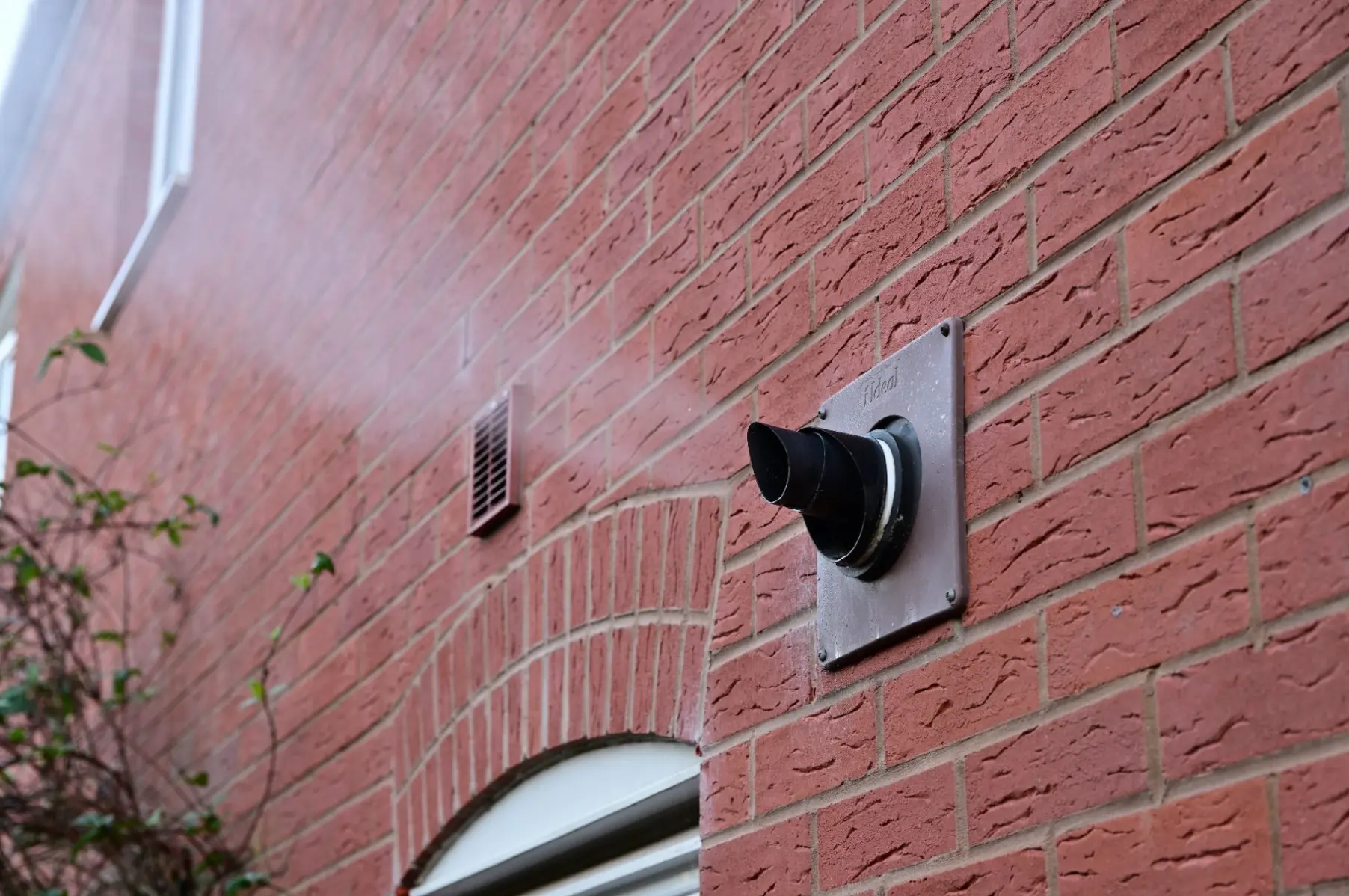
The Role of a Boiler Flue in Safety
Your boiler flue plays a critical role in keeping your home safe. Its job is to transport harmful gases, including carbon monoxide, safely outside.
If the flue becomes blocked, damaged, or poorly installed, gases can be redirected back into the property. Common causes include debris, bird nests, corrosion, or poor positioning.
Regular checks ensure your flue is functioning correctly and not putting your household at risk.
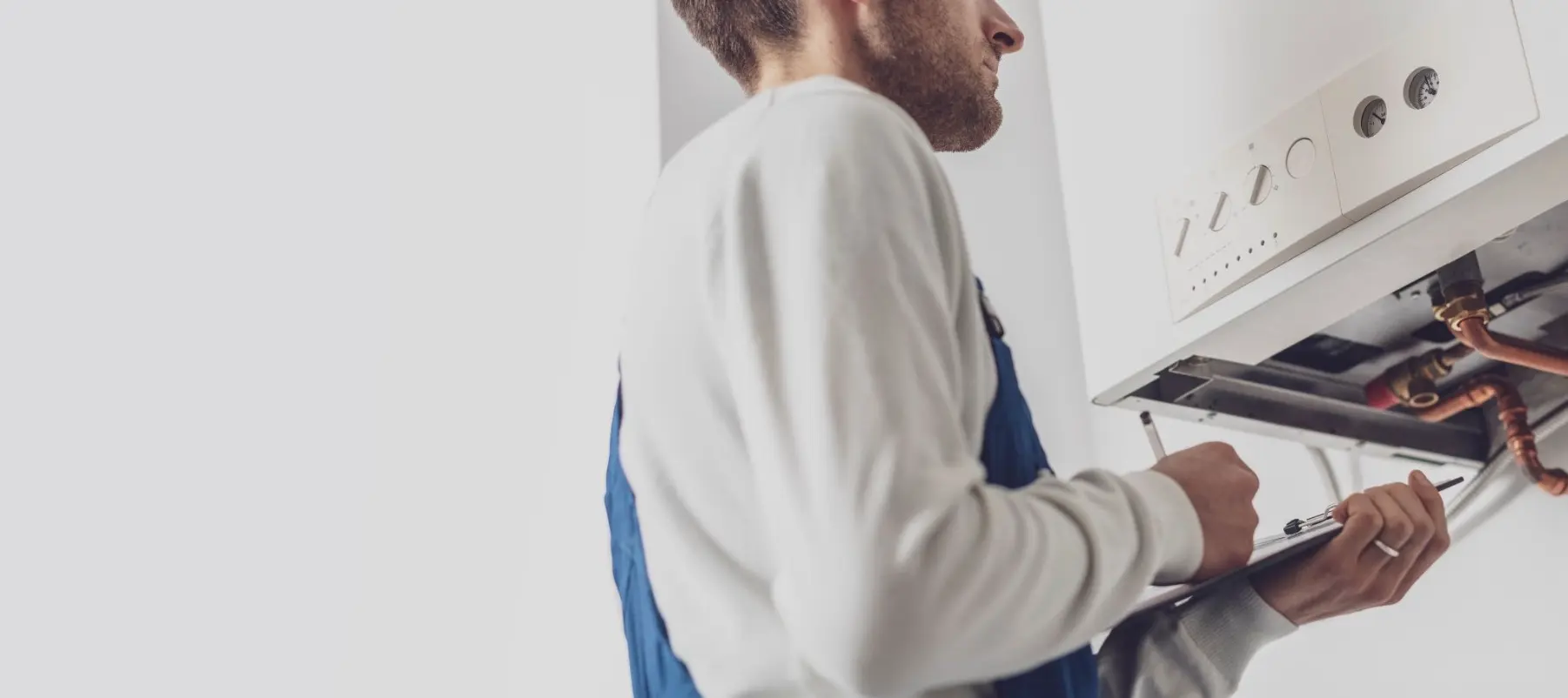
Why Book a Boiler Service?
Booking an annual boiler service is one of the most effective ways to prevent carbon monoxide issues.
During a professional service, an engineer will:
- Check for leaks or faults
- Inspect the heat exchanger and burner
- Test combustion performance
- Ensure the flue is clear and secure
- Verify safe ventilation
These checks significantly reduce the risk of carbon monoxide poisoning and boilers becoming a dangerous combination in your home.
Regular servicing also improves efficiency, reduces energy bills, and extends the lifespan of your boiler.
Warning Signs of Carbon Monoxide in Boilers
Although carbon monoxide itself is undetectable without equipment, there are warning signs linked to boiler issues:
- Yellow or flickering pilot flame (instead of blue)
- Soot or staining around the boiler
- Unusual smells (from incomplete combustion)
- Increased condensation on windows
- Pilot light going out frequently
If you notice any of these signs, it is essential to seek professional help immediately.
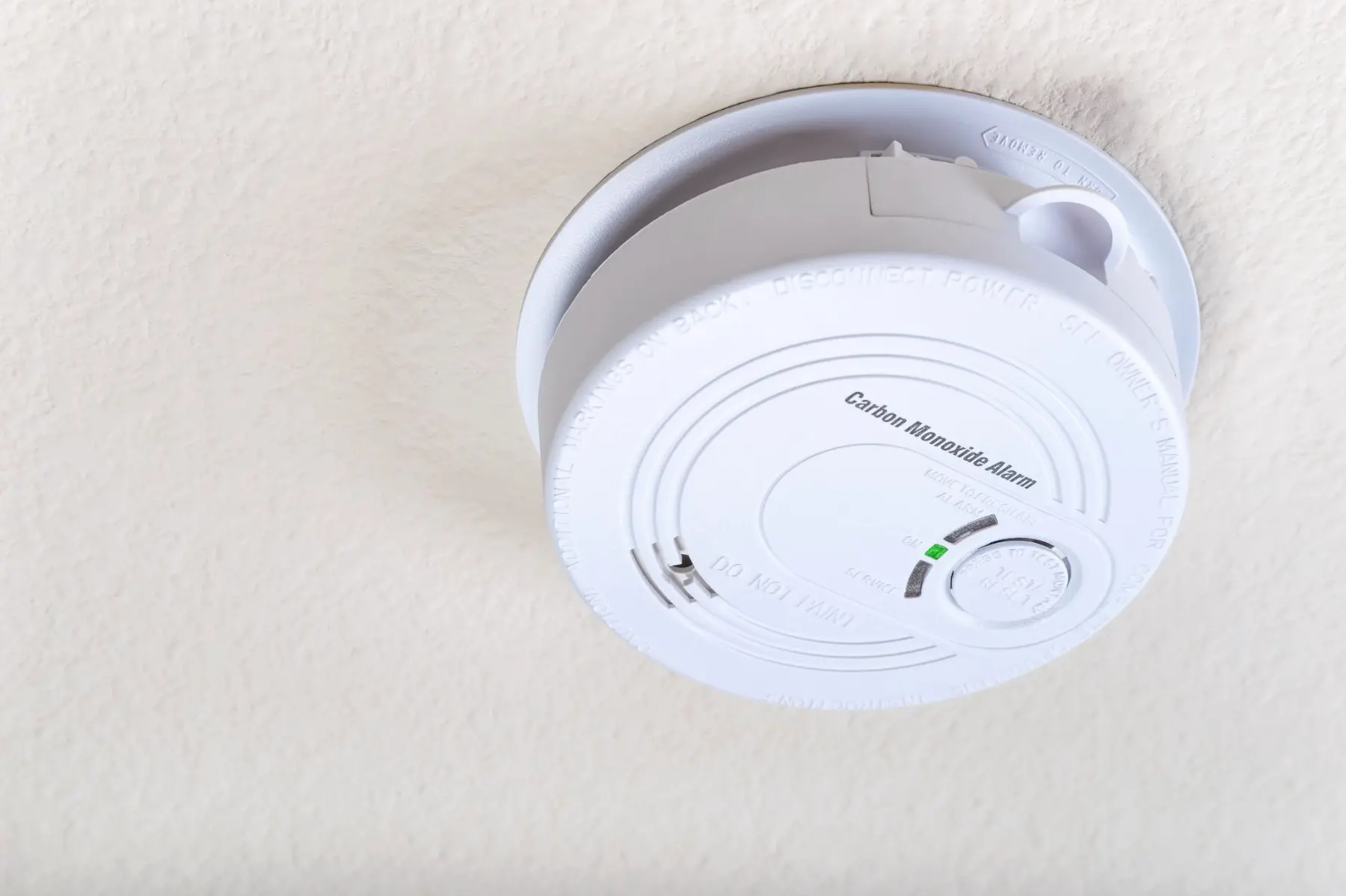
How Far Should a Carbon Monoxide Detector Be from a Boiler?
A key safety measure is installing a detector correctly. Many homeowners ask: how far should a carbon monoxide detector be from boiler systems?
The general recommendation is:
- At least 1 to 3 metres from the boiler
- Installed at head height (or ceiling level, depending on model)
- Positioned in the same room as the appliance or nearby
Proper placement ensures the detector can accurately sense any build-up of carbon monoxide.
Keeping Your Home Safe
Preventing carbon monoxide risks doesn’t require drastic action, just consistent care and awareness.
Key safety steps include:
- Annual boiler servicing
- Installing and maintaining CO detectors
- Keeping vents and flues unobstructed
- Using qualified heating engineers for installation and repairs
- Avoiding DIY fixes on gas or oil appliances
A well-maintained system is the best defence against carbon monoxide exposure.
Why Choose KD Jones Heating Engineers?
When it comes to carbon monoxide and boilers, professional expertise matters. At KD Jones Heating Engineers, safety is always the top priority.
With experienced engineers and a commitment to thorough servicing, every inspection is designed to keep your home running efficiently and safely. Whether it’s a routine service or a safety concern, expert support ensures peace of mind.
Get in Touch
Don’t leave your safety to chance. If you’re due a service or have concerns about your boiler, contact KD Jones Heating Engineers today. A simple check could prevent serious risks and keep your home safe all year round.
Book your boiler service now and protect your household from the dangers of carbon monoxide.
📞 Call us on 01737 211376
🌐 Visit our contact page to request a quote
📍 Based in Redhill, covering Surrey and surrounding areas
FAQs
What causes carbon monoxide in boilers?
Carbon monoxide is caused by incomplete combustion, often due to poor maintenance, blocked flues, or faulty components.
Can a boiler leak carbon monoxide when switched off?
Yes, although less likely, faults or flue issues can still allow gas to escape even when the boiler is off.
Can oil boilers produce carbon monoxide?
Yes, oil boilers can produce carbon monoxide if they are not burning fuel efficiently.
How often should I service my boiler?
You should service your boiler at least once a year to ensure safe and efficient operation.
What are the symptoms of carbon monoxide poisoning?
Common symptoms include headaches, dizziness, nausea, breathlessness, and confusion.
How far should a carbon monoxide detector be from boiler units?
Typically, between 1 and 3 metres away, positioned at the correct height for accurate detection.
What does a healthy boiler flame look like?
A healthy flame is blue. A yellow or orange flame may indicate a problem.
Can blocked flues cause carbon monoxide leaks?
Yes, blocked or damaged flues can prevent gases from escaping safely.
Is carbon monoxide only produced by gas boilers?
No, any fuel-burning appliance, including oil boilers, can produce carbon monoxide.
Who should I contact if I suspect a carbon monoxide issue?
You should contact a qualified heating engineer immediately and avoid using the appliance until it has been checked.