


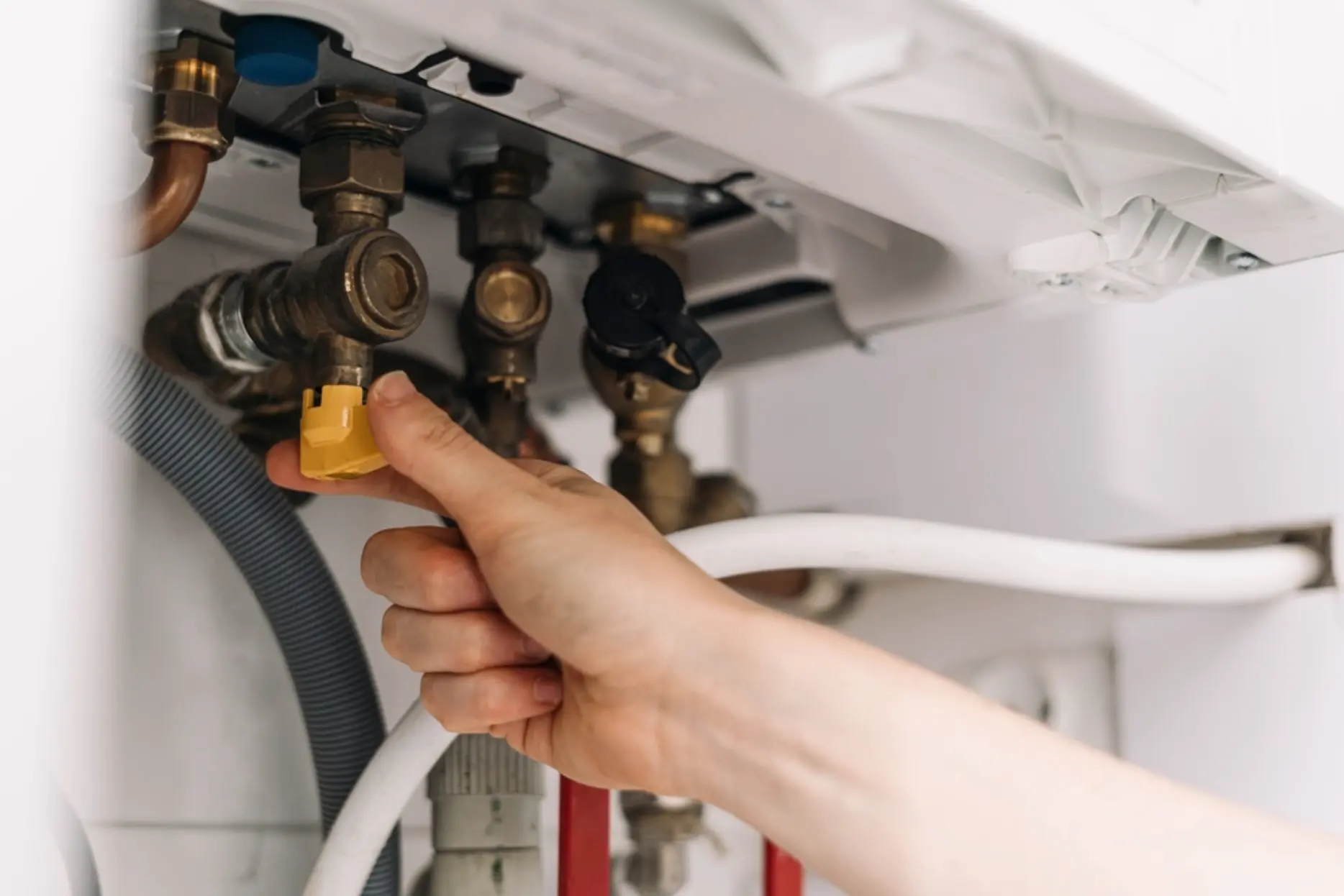
Boiler Gurgling? What The Noise Means
Boiler Gurgling? What the Noise Means and What to Do Next
If you have noticed your boiler gurgling, it is usually a sign that something inside your heating system is not circulating as smoothly as it should. The noise can be easy to ignore at first, especially if the heating still works, but it is worth paying attention to. A gurgling boiler is often linked to trapped air, low pressure, circulation problems or internal build-up, and dealing with it early can help prevent a small issue becoming more awkward, disruptive or expensive.
Quick Summary
A boiler gurgling is commonly caused by trapped air in the system, low water pressure, blocked pipework or a circulation issue. It is not always dangerous, but it should not be dismissed, especially if the noise is new, getting louder or happening alongside poor heating performance. You may be able to bleed your radiators safely, but anything involving the boiler itself should be checked by a Gas Safe registered engineer.
Is a Gurgling Boiler Dangerous?
The honest answer to “is a gurgling boiler dangerous” is that it depends on the cause. In many homes, gurgling noises are caused by air moving around the heating system. That can be annoying and inefficient, but it is not usually an immediate emergency.
However, boiler noises can also point to something that needs proper attention. If water is not moving correctly through the boiler, parts of the system may become strained. If pressure keeps dropping, there may be a leak somewhere. If the boiler is making strange noises along with smells, error codes, leaks, poor hot water or regular shutdowns, it is time to call an engineer.
The important distinction is this: you can investigate the wider heating system, but you should not attempt to open, repair or adjust the boiler itself.
Common Reasons Your Boiler Is Gurgling
A gurgling boiler is usually caused by movement where there should be smooth flow. Heating systems rely on water moving cleanly through pipework, radiators and the boiler. When air, sludge or pressure problems interfere with that flow, noises often follow.
Possible Cause |
What You Might Notice |
What It Usually Means |
|
Trapped air in the system |
Gurgling in radiators or pipes |
Air is interrupting water flow |
|
Low boiler pressure |
Pressure gauge below normal range |
The system may need topping up or checking |
|
Sludge or debris |
Radiators cold at the bottom |
Water may not be circulating properly |
|
Pump or circulation issue |
Noise near the boiler itself |
The system may need professional diagnosis |
|
Recent heating work |
Noise after repair or installation |
Air may have entered the system |
Trapped air is one of the most common causes. It can sit in radiators and pipework, making water movement noisy and uneven. That is why many homeowners first notice gurgling noises when the heating comes on after being off for a while.
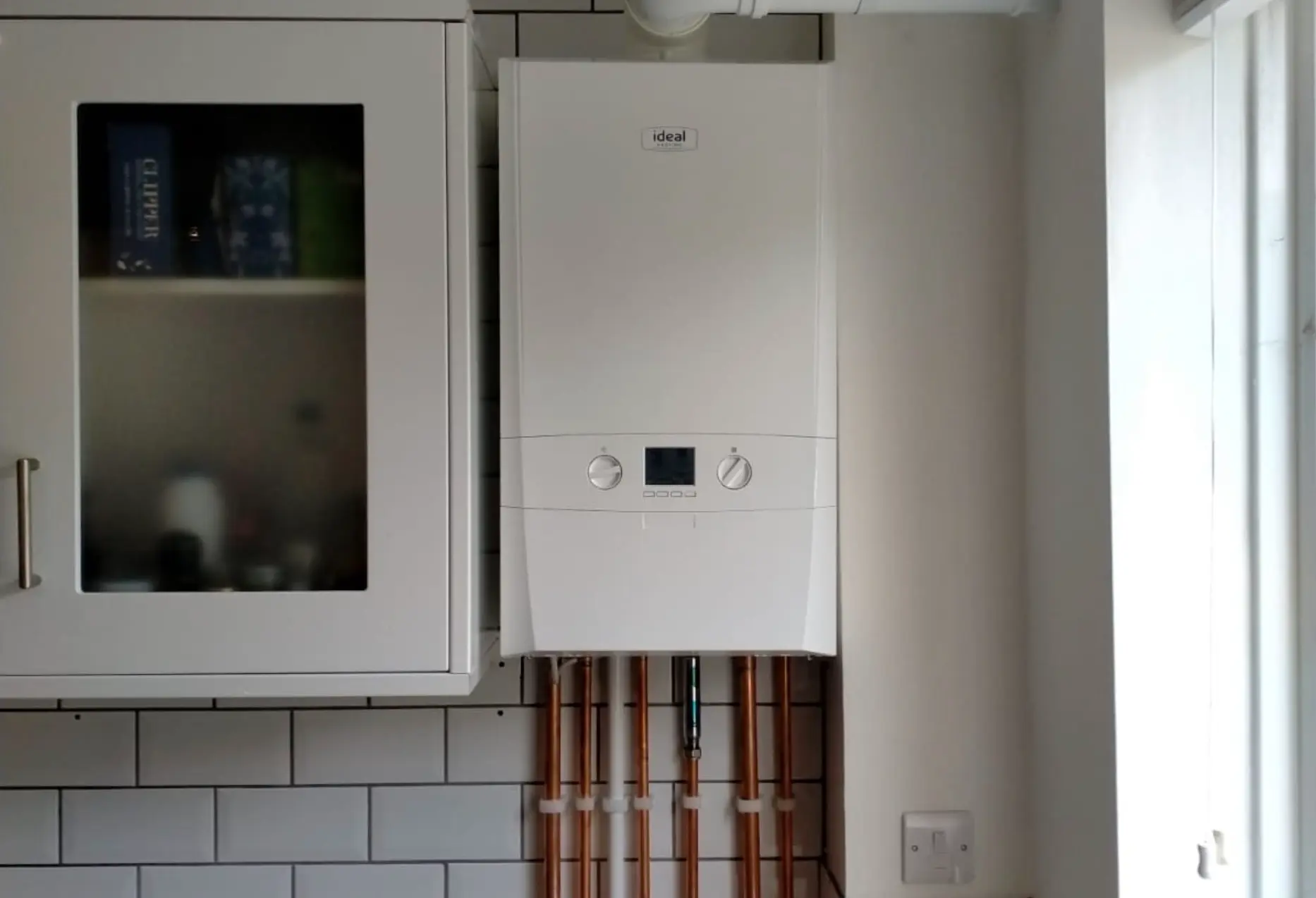
What Should You Check Before You Call an Engineer?
There are a few sensible checks you can make without touching the inside of the boiler.
Safe Checks You Can Make at Home
First, listen carefully to where the sound is coming from. If the noise is mostly in one radiator, the issue may be local to that radiator. If it is coming directly from the boiler casing, that is different and should be handled professionally.
You can also look at your radiator performance. Radiators that are warm at the bottom but cool at the top often suggest trapped air. In that case, you may need to bleed your radiators to release trapped air. This should be done carefully, with the heating off and the system cooled down.
A sensible order would be:
- Turn the heating off and let the radiators cool.
- Check whether any radiators are cooler at the top.
- Use a radiator key to open the bleed valve slightly.
- Let the air hiss out until water appears.
- Close the valve firmly, without overtightening it.
- Check the boiler pressure afterwards.
Bleeding radiators can lower system pressure, so the pressure gauge matters. If the pressure drops too far, the boiler may stop working or show an error code.
You should get professional advice if:
- The pressure keeps falling after being topped up.
- The same radiators need bleeding again and again.
- The gurgling is coming directly from the boiler rather than the radiators.
Do Not Remove the Boiler Casing
The boiler casing is there for safety and should only be removed by someone qualified to work on gas appliances. Even if the issue sounds minor, opening the boiler to “have a look” is not a safe home maintenance job.
When Gurgling Noises Need Professional Attention
You should call an engineer if the gurgling continues after the radiators have been bled, if the pressure keeps dropping, or if the boiler is also banging, whistling, locking out or leaking. The same applies if your heating is patchy, hot water is inconsistent, or the noise has appeared suddenly after months of normal use.
A Gas Safe registered engineer can check the boiler, pressure, pump, pipework, valves and overall system condition. Sometimes the answer is straightforward. Other times, the noise is a symptom of a wider circulation problem that needs proper testing.
At KD Jones, we are used to dealing with boiler breakdowns, servicing and central heating issues across Redhill, Reigate and the surrounding areas. Our aim is to explain the issue clearly, put it right safely and help you understand what your heating system is telling you.
A Gurgling Boiler Is a Sign Worth Listening To
A boiler gurgling does not automatically mean you need a new boiler, and it does not always mean something dangerous is happening. It does mean your heating system is giving you a warning that flow, pressure or air may need attention.
If the sound is minor and linked to cold-topped radiators, bleeding may help. If the noise is inside the boiler, keeps coming back or arrives with other warning signs, do not ignore it. Heating systems are far easier to deal with when problems are caught early, and gas appliances should always be treated with care.
If your boiler noises are becoming more frequent, your heating is unreliable, or repair costs are starting to add up, it may also be worth asking whether a new boiler would be the more sensible long-term option. KD Jones can advise honestly on whether repair or replacement is the better route for your home
If you liked this, you may also like: Carbon Monoxide and Boilers: 10 Critical Facts Every Homeowner Must Know
📞 Call us on 01737 211376
🌐 Visit our contact page to request a quote
📍 Based in Redhill, covering Surrey and surrounding areas
Frequently Asked Questions Boiler Gurgling? What the Noise Means and What to Do Next
Why does my boiler gurgle more when the heating first comes on?
A boiler or heating system can sound louder at start-up because cold water is beginning to move through the system again. If the noise settles quickly, it may be less concerning, but if it keeps happening every time the heating starts, there may be a circulation or pressure issue worth checking.
Can a gurgling boiler make my heating bills higher?
It can do. If water is not circulating efficiently, your boiler may have to work harder to heat the home properly. Even small circulation issues can reduce heating performance over time, especially if radiators take longer to warm up or rooms never feel quite comfortable.
Why is my boiler gurgling but the radiators are hot?
If the radiators are heating normally, the issue may not be obvious from room temperature alone. The noise could still come from water movement, pressure changes, internal components or pipework. A boiler can sometimes keep working while still showing early signs of strain.
Should I turn my boiler off if it is gurgling?
If the boiler is only making a mild gurgling sound and there are no other warning signs, you may not need to turn it off immediately. However, if the noise is loud, sudden, paired with leaking, error codes, unusual smells or loss of heating, switch it off and arrange a professional check.
Can cold weather make boiler noises worse?
Yes, colder weather can make existing heating issues more noticeable because the boiler is working harder and running more often. Problems that were barely noticeable in autumn can become more obvious once the system is under regular winter demand.
Is it normal for an older boiler to make gurgling noises?
Older boilers can be noisier than newer models, but regular gurgling should not simply be dismissed as “normal for its age”. If an older boiler is becoming noisier, less efficient or more unreliable, it may be worth comparing repair costs against the long-term value of a replacement boiler.
Why does my boiler gurgle after I have used hot water?
Some boilers make brief operational sounds after hot water demand, but persistent gurgling may suggest the system is struggling to move water cleanly. If the sound keeps returning after showers, baths or taps being used, it is sensible to have the boiler assessed.
Can boiler gurgling be linked to poor water pressure from taps?
Usually, central heating pressure and tap water pressure are separate issues. However, if you are noticing several changes at once, such as weak hot water, fluctuating temperature and boiler noises, there may be a wider fault that needs proper diagnosis.
Will a boiler service stop gurgling noises?
A boiler service can identify safety issues, wear, pressure problems and performance concerns, but whether it stops the gurgling depends on the cause. If the noise is linked to the wider heating system rather than the boiler itself, further investigation may be needed.
When is it better to replace a noisy boiler rather than keep repairing it?
Replacement becomes worth discussing when the boiler is old, inefficient, regularly breaking down, difficult to source parts for, or costing more each year in repairs. A one-off noise may only need a repair, but repeated problems can be a sign that a new boiler is the more sensible long-term option.