


What Is A PRV?
What is a PRV and Why Does Your Boiler Need One?
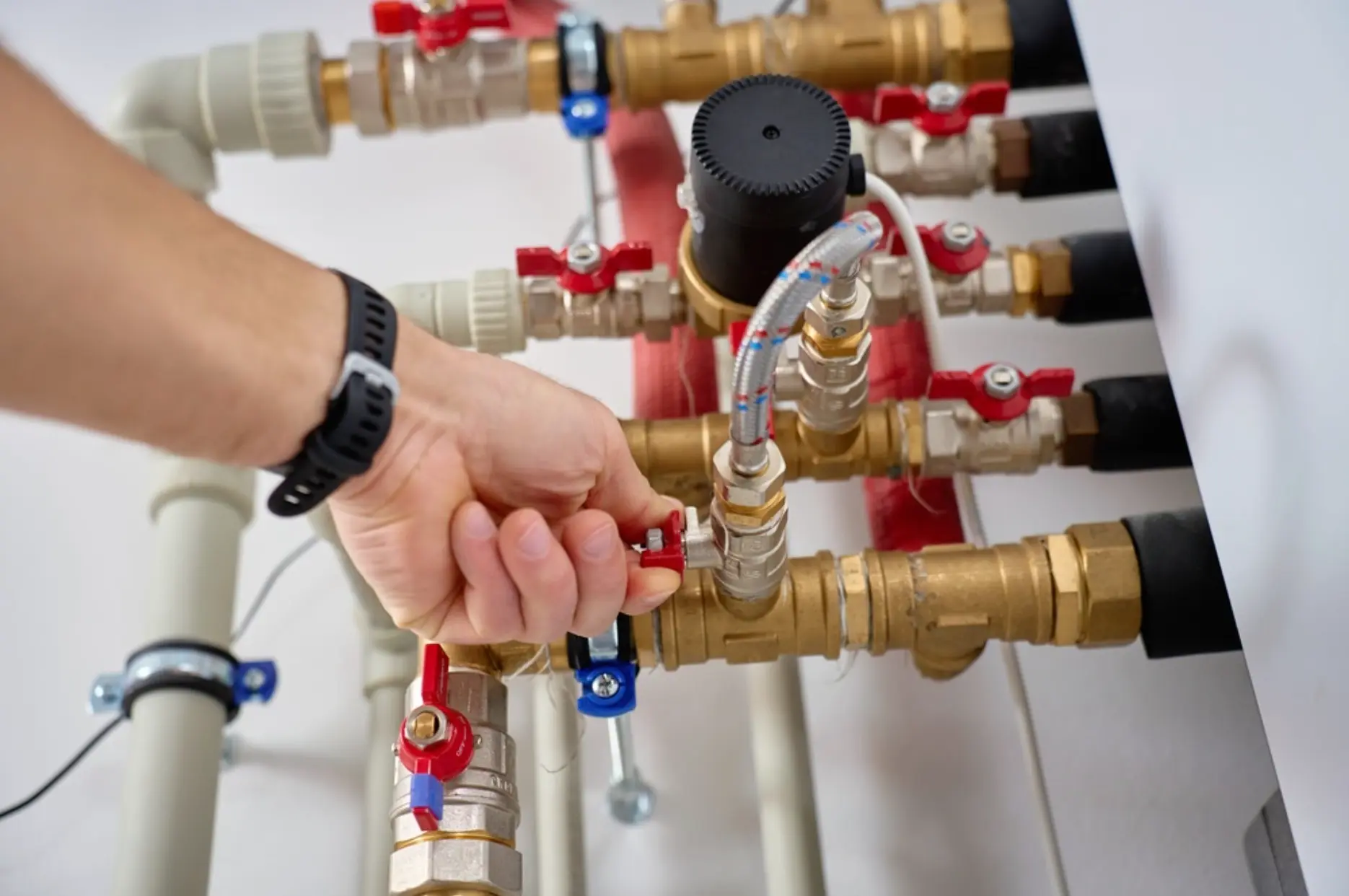
“What is a PRV” is a common question when a boiler starts losing pressure, dripping from the outside pipe, or showing signs that something is not quite right. In simple terms, a PRV is a pressure relief valve. It is a safety device fitted to a boiler or heating system to release water if the system pressure gets too high.
Quick Summary
A boiler PRV protects your heating system from excessive pressure. If the pressure inside the boiler rises beyond a safe level, the valve opens and releases water through a discharge pipe. This helps protect the boiler, pipework and components from damage. If your PRV is dripping, leaking, or opening regularly, it usually means there is an underlying issue that should be checked by a qualified heating engineer.
What is a Pressure Relief Valve?
A pressure relief valve is a safety valve designed to protect a sealed heating system from high pressure. Most modern boilers operate within a set pressure range. If that pressure rises too far, the PRV opens automatically and lets water escape.
This is not a normal operating feature that should happen regularly. The PRV is there as a safety backup.
In a domestic boiler, the PRV is usually connected to a discharge pipe that runs outside the property. If you notice water dripping from a small copper pipe outside, especially when the heating has been on, the boiler PRV may be opening or failing to seal properly.
How Does a Pressure Relief Valve Work?
A PRV works by responding to system pressure. When the pressure stays within the normal operating range, the valve remains closed. If the pressure rises too high, the internal mechanism opens and allows water to leave the system.
This reduces the pressure and helps prevent damage.
A simple way to understand it is:
- The heating system fills with water.
- The boiler heats that water.
- As water heats, it expands.
- If expansion is not controlled properly, pressure rises.
- If the pressure becomes excessive, the PRV opens.
- Water is released through the outlet pipe.
- The pressure drops back down.
In a healthy system, the expansion vessel and other components help manage this pressure before the PRV needs to do anything.
What Pressure Should a Boiler PRV Open At?
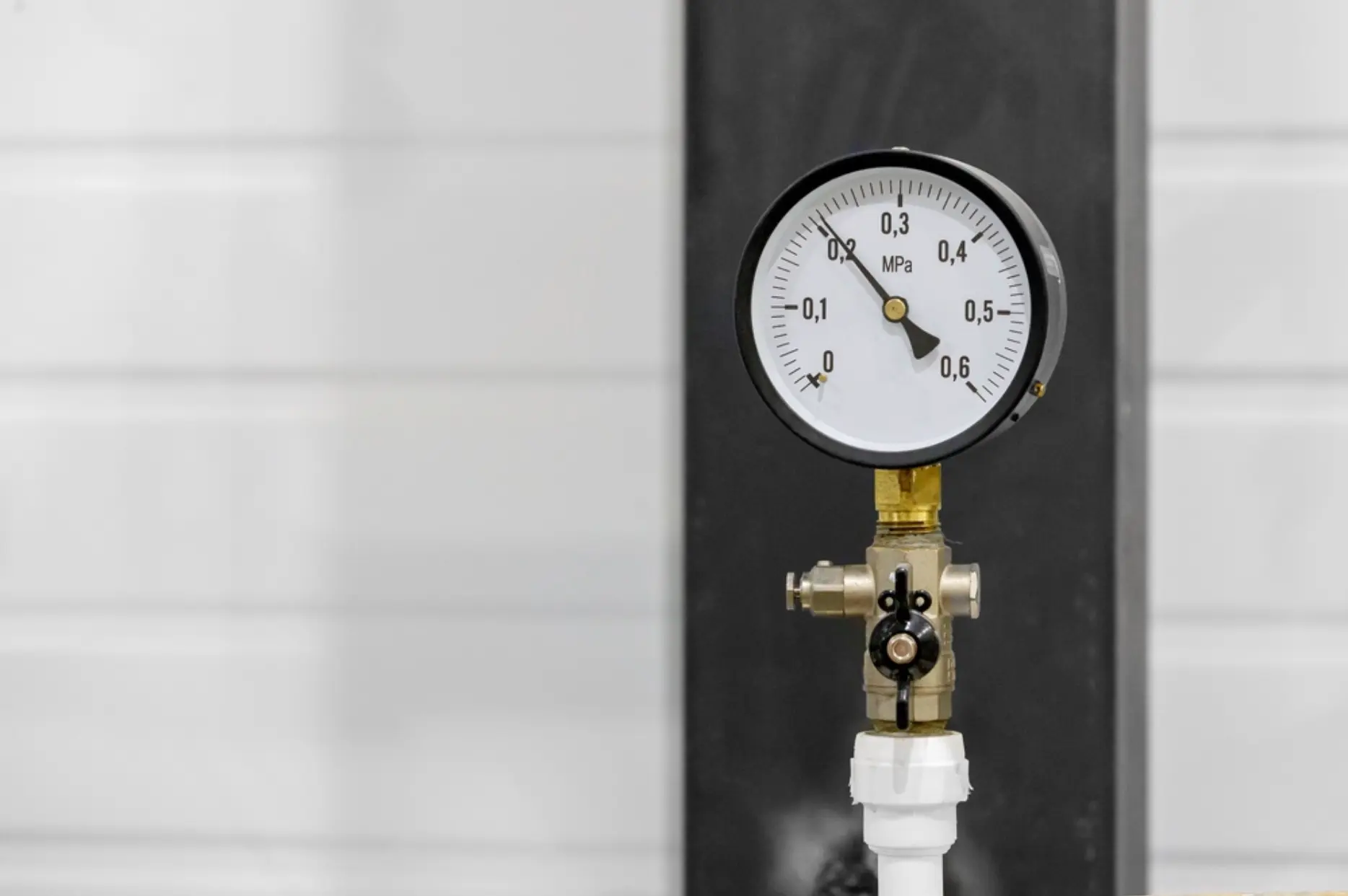
Most domestic boiler PRVs are designed to open at around 3 bar, although this can depend on the boiler and system design. Normal cold system pressure is often around 1 to 1.5 bar, but every boiler should be checked against the manufacturer’s guidance.
Boiler Pressure Situation |
What it May Mean |
|
Around 1 to 1.5 bar when cold |
Often normal for many systems |
|
Pressure rises significantly when heating is on |
Expansion vessel or filling issue possible |
|
Pressure reaches around 3 bar |
PRV may open to release pressure |
|
Pressure keeps dropping afterwards |
PRV may be passing or the system may have another fault |
|
Water dripping from outside pipe |
PRV may have opened or failed to close fully |
Why Does a Boiler PRV Start Leaking?
A leaking boiler PRV can happen for several reasons. Sometimes the valve has done its job by releasing excessive pressure. Other times, dirt or debris gets caught inside the valve, preventing it from sealing again properly.
Common causes include:
- The boiler has been overfilled
- The filling loop has been left open
- The expansion vessel has lost charge
- The system pressure rises too much when heating is on
- Dirt or debris is stopping the valve from sealing
- The valve has worn out and needs replacing
This is why topping the boiler pressure back up again and again is not a real fix. If the PRV is leaking, the heating system needs to be checked properly.
Should You Close the Valve Yourself?
You should not try to force, cap, block, or close the valve yourself. The PRV is a safety component. If it is releasing pressure, there is a reason for it.
Trying to stop the discharge without fixing the cause can make the system unsafe and may lead to more serious boiler damage.
What Should You Check First?
You can look at the pressure gauge on the boiler and note whether the pressure is low, normal, or unusually high. You can also check whether the outside discharge pipe is dripping.
When the Pressure Keeps Rising
If the system pressure keeps rising when the heating is on, this may point towards an expansion vessel issue, a filling loop problem, or another fault within the heating system. At that stage, it is best to have the boiler inspected by a qualified heating engineer.
Can a Faulty PRV Damage a Boiler?
A faulty PRV can cause problems if it keeps letting water out of the system. As water is lost, the boiler pressure drops. The boiler may then stop working, show a fault code, or need regular repressurising.
Repeatedly refilling the system can also introduce fresh oxygenated water, which may contribute to corrosion over time. That is why a leaking boiler PRV should not be ignored.
A high quality repair is not just about swapping the valve. A good engineer should also look at why the pressure problem happened in the first place.
Does a PRV Problem Mean You Need a New Boiler?
Not always. Many PRV issues can be repaired, especially if the boiler is otherwise in good condition. However, if the boiler is older, regularly losing pressure, needing repeated repairs, or showing several faults at once, it may be worth discussing whether a new boiler would be a better long term option.
At KD Jones, we always look at the practical picture. Sometimes a straightforward repair is the right answer. Sometimes ongoing pressure problems are one of several signs that the boiler is becoming less reliable.
When Should You Call a Heating Engineer?
You should call a heating engineer if:
- Water is dripping from the boiler discharge pipe
- The boiler pressure keeps dropping
- The pressure rises close to 3 bar
- You need to top up the system often
- The boiler keeps locking out
- You are unsure whether the PRV has opened
A boiler PRV is there to protect your heating system, but it should not be operating all the time. If it is, the safest and most cost-effective approach is to find the cause early.
For help with boiler pressure problems, PRV faults, repairs, servicing, or advice on whether a new boiler would make more sense, speak to KD Jones.
If you liked this, you may also like: What Is A Boiler Flue? The Basics For Safe Home Heating
📞 Call us on 01737 211376
🌐 Visit our contact page to request a quote
📍 Based in Redhill, covering Surrey and surrounding areas
Frequently Asked Questions About What is a PRV and Why Does Your Boiler Need One?
Can I still use my heating if the boiler PRV has been leaking?
It is usually better not to keep relying on the heating until it has been checked. A small drip may seem harmless, but it can lead to repeated pressure loss, boiler lockouts and further strain on the system. If the leak is active or the pressure keeps changing, arrange for a heating engineer to inspect it.
Why does my boiler pressure go up when the heating is on?
Boiler pressure often rises slightly when the heating is running because hot water expands. A small rise is normal. A large rise can suggest that the expansion vessel is not absorbing that extra pressure properly, or that another pressure-control issue is developing inside the system.
Is a leaking PRV the same as a boiler leak?
Not exactly. A PRV leak is usually controlled through the discharge pipe, often outside the property. A boiler leak may come from internal components, seals, pipework or joints. Both need attention, but they can point to different faults.
How much water should come out of a boiler pressure relief pipe?
In normal use, you should not usually see water coming from the pressure relief pipe. A brief discharge may happen if pressure has climbed too high, but regular dripping, staining on the wall, or repeated water loss suggests the system needs checking.
Can low boiler pressure be caused by a PRV fault?
Yes. If the PRV has opened and not sealed again properly, water can slowly leave the system. This can make the pressure drop over time, even if there is no obvious leak around radiators or pipework inside the home.
Why does my boiler keep needing to be topped up?
Regular topping up usually means water is leaving the system somewhere. This could be through a leaking radiator valve, pipework, the boiler itself, or a passing PRV. Topping up may get the boiler working again temporarily, but it does not solve the cause.
Is it safe to reset my boiler if the PRV has leaked?
A reset may clear a temporary fault code, but it will not fix a pressure problem. If the boiler keeps locking out, losing pressure, or showing high pressure before the PRV discharges, the system should be properly diagnosed rather than repeatedly reset.
Can a boiler service spot PRV problems early?
A good boiler service can often identify early signs of pressure issues, including unusual pressure readings, discharge marks, expansion vessel concerns and general condition of safety components. This is one reason regular servicing is useful, especially on older boilers.
Will replacing the PRV always fix the problem?
Not always. Replacing the PRV may stop the immediate leak if the valve itself is faulty, but it will not fix the underlying cause if the system pressure is rising too high. A proper repair should look at why the valve opened or failed in the first place.
When is a PRV issue a sign that the boiler is getting unreliable?
A one-off PRV fault does not always mean the boiler is finished. However, if it comes alongside repeated pressure loss, noisy operation, poor heating performance, regular breakdowns or expensive repair history, it may be worth comparing the repair cost against a new boiler.