


How To Decrease Boiler Pressure Safely At Home
How to Decrease Boiler Pressure Safely
Knowing how to decrease boiler pressure can help you deal with a common heating issue before it interrupts your heating or hot water. High pressure often follows a recent system top-up and may be reduced by carefully bleeding a radiator. However, pressure that repeatedly climbs may point to a fault that needs professional attention.
Quick Summary
A sealed heating system will usually sit at around 1.0 to 1.5 bar while the boiler is cool, although the correct range depends on the model. Pressure rises as the water heats and expands. If the reading remains high once the system has cooled, you may be able to release a small amount of water through a radiator bleed valve. Contact a heating engineer if the pressure keeps rising, water is leaking or you are unsure about the controls.
What Pressure Should My Boiler Be?
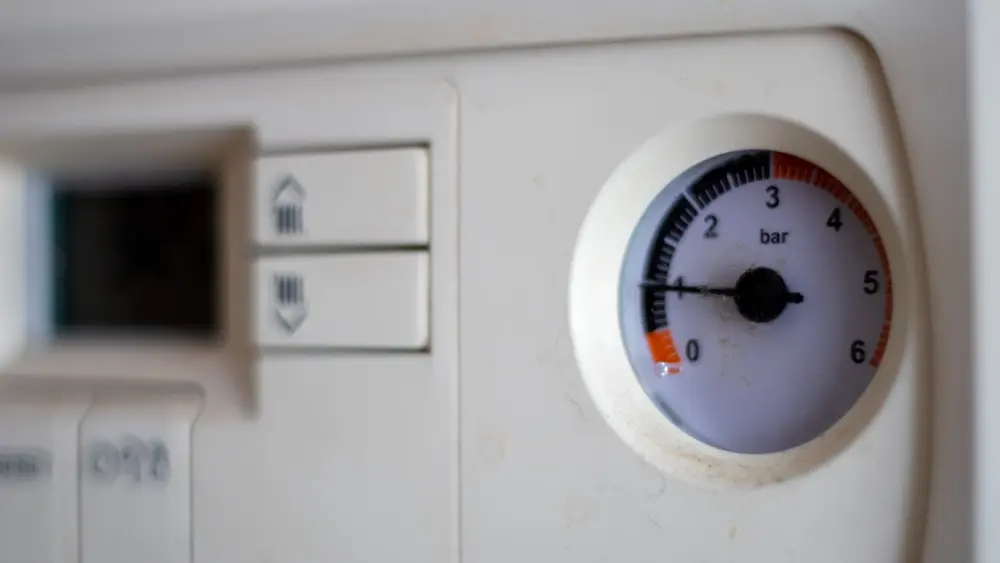
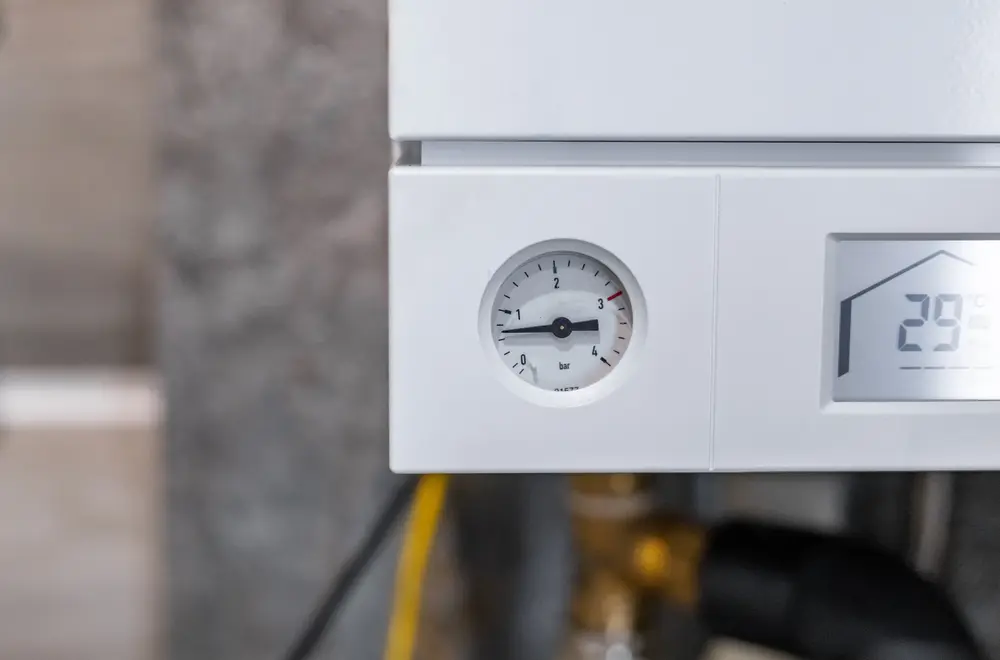
The gauge shows the pressure in the heating system, not the water pressure coming from your taps. Most combi boilers and system boiler gauges use ‘bar’ as the measurement.
Boiler Condition |
Typical Reading |
What It Usually Means |
|
Boiler cool |
Usually normal |
|
|
Heating running |
Often between 1 and 2 bar |
A moderate rise is expected |
|
Around 2.5 to 3 bar |
Pressure may be too high |
Let the system cool and investigate |
|
Below 1.0 bar |
Pressure may be too low |
It may need checking or repressurising |
Always check your boiler manual because the recommended range can vary. While 1.5 bar is a common cool reading, it is not a universal target for every boiler.
Why Does Boiler Pressure Get Too High?
Water expands as it heats, so a small rise while the central heating is running is normal. The pressure should fall again as the system cools.
Pressure may become too high because:
- Too much water was added through the filling loop.
- The filling loop or valve has not closed fully.
- The expansion vessel is not managing pressure correctly.
- Previous radiator work left the system overfilled.
- A fault is allowing more water into the heating circuit.
If the gauge rises when the boiler is hot and settles afterwards, this may be normal expansion. A large or repeated increase needs investigating.
How to Reduce the Pressure on a Boiler
Check the boiler display for an error code and read the manufacturer’s instructions first. Never remove the boiler casing or adjust internal parts.
- Switch off your boiler and let the system cool.
- Recheck the gauge once the radiators are no longer hot.
- Make sure the filling loop valves are fully closed.
- Place a cloth and container beneath a radiator bleed valve.
- Open the valve very slightly using the correct radiator key.
- Let a small amount of air or water escape, then close it.
- Check the boiler gauge again.
- Repeat cautiously only if necessary.
Aim for the cool pressure range stated in the manual, commonly around 1.0 to 1.5 bar. Release water gradually, as it is easy to reduce the pressure too far.
Bleeding a Radiator Safely
Bleeding a radiator usually releases trapped air, but it can also release enough water to lower pressure in the system.
Choose an Accessible Radiator
Protect the wall and flooring around the valve. The system must be cool because radiator water may otherwise be hot enough to burn.
Open the Valve Slowly
Turn the key only enough to let air or water escape. Keep checking the gauge rather than guessing. Once the pressure is back within the recommended range, close the valve gently and check that it is not dripping.
When Should You Call an Engineer?
Reducing pressure after accidentally overfilling the system can be a straightforward task. It is not a lasting solution when the pressure gets too high repeatedly.
- Pressure rises again without using the filling loop.
- The gauge climbs sharply whenever the heating starts.
- The pressure approaches 3 bar.
- Water drips from an external copper discharge pipe.
- A radiator valve will not close or begins leaking.
- The boiler locks out or shows a fault code.
- Pressure swings between too high and too low.
These symptoms may relate to the filling mechanism, expansion vessel, pressure relief valve or another system component. Repeatedly bleeding radiators may hide the symptom without resolving the cause.
Can a Boiler Service Help?
A boiler service can identify wear, leaks and operating issues before they become more disruptive. However, an annual service is not a substitute for a repair if the pressure is already rising abnormally.
Note the pressure when the system is cold and when the heating is running. This gives the engineer useful information about how the reading changes during normal use.
Check Your Boiler, but Know When to Stop
Learning how to decrease boiler pressure is useful when the system has simply been overfilled. Work slowly, follow the manual and check the reading when the system is cool.
If the pressure continues to rise, do not keep bleeding radiators or resetting the boiler. KD Jones can inspect the system, identify the cause and advise whether servicing or repair work is required.
📞 Call us on 01737 211376
🌐 Visit our contact page to request a quote
📍 Based in Redhill, covering Surrey and surrounding areas.
If you liked this, you may also like: Boiler Summer Mode Savings: What Should You Change?
Frequently Asked Questions About How to Decrease Boiler Pressure
What Pressure Should My Boiler Be?
Most boilers should read around 1.0 to 1.5 bar when the system is cool. Check your boiler manual, as the recommended range can vary between models.
Why Is My Boiler Pressure Too High?
High pressure may be caused by adding too much water through the filling loop, a valve not closing properly or an issue with the expansion vessel. Some pressure increase while the heating is running is normal.
How Do I Decrease Boiler Pressure?
Switch off your boiler, let it cool and release a small amount of water by carefully bleeding a radiator. Keep checking the gauge so the pressure does not fall too far.
Should I Switch Off My Boiler Before Reducing the Pressure?
Yes, switch off your boiler and allow the radiators to cool completely. This reduces the risk of hot water escaping while you bleed a radiator.
Can Bleeding a Radiator Reduce Boiler Pressure?
Yes, bleeding a radiator can release both trapped air and a small amount of water from the system. This may lower the boiler pressure if it has been overfilled.
Is 2 Bar Too High for a Boiler?
A reading of 2 bar may be normal while the heating is running. If it remains at 2 bar or continues rising once the system is cool, it is worth checking.
What Happens if Boiler Pressure Reaches 3 Bar?
At around 3 bar, the pressure relief valve may release water to protect the system. Switch the boiler off and arrange an engineer visit if the pressure stays this high.
Why Does My Boiler Pressure Keep Increasing?
Repeated pressure increases can indicate a filling loop problem, expansion vessel fault or another internal issue. This should be checked by a qualified heating engineer.
Can High Boiler Pressure Affect My Heating or Hot Water?
Yes, excessive pressure can cause fault codes, leaks or boiler lockouts that interrupt your heating or hot water. Avoid repeatedly resetting the boiler without finding the cause.
Should High Pressure Be Checked During a Boiler Service?
A boiler service can help identify pressure-related wear or faults, but an active problem may need a separate repair. Contact an engineer sooner if the pressure rises quickly or water is leaking.