


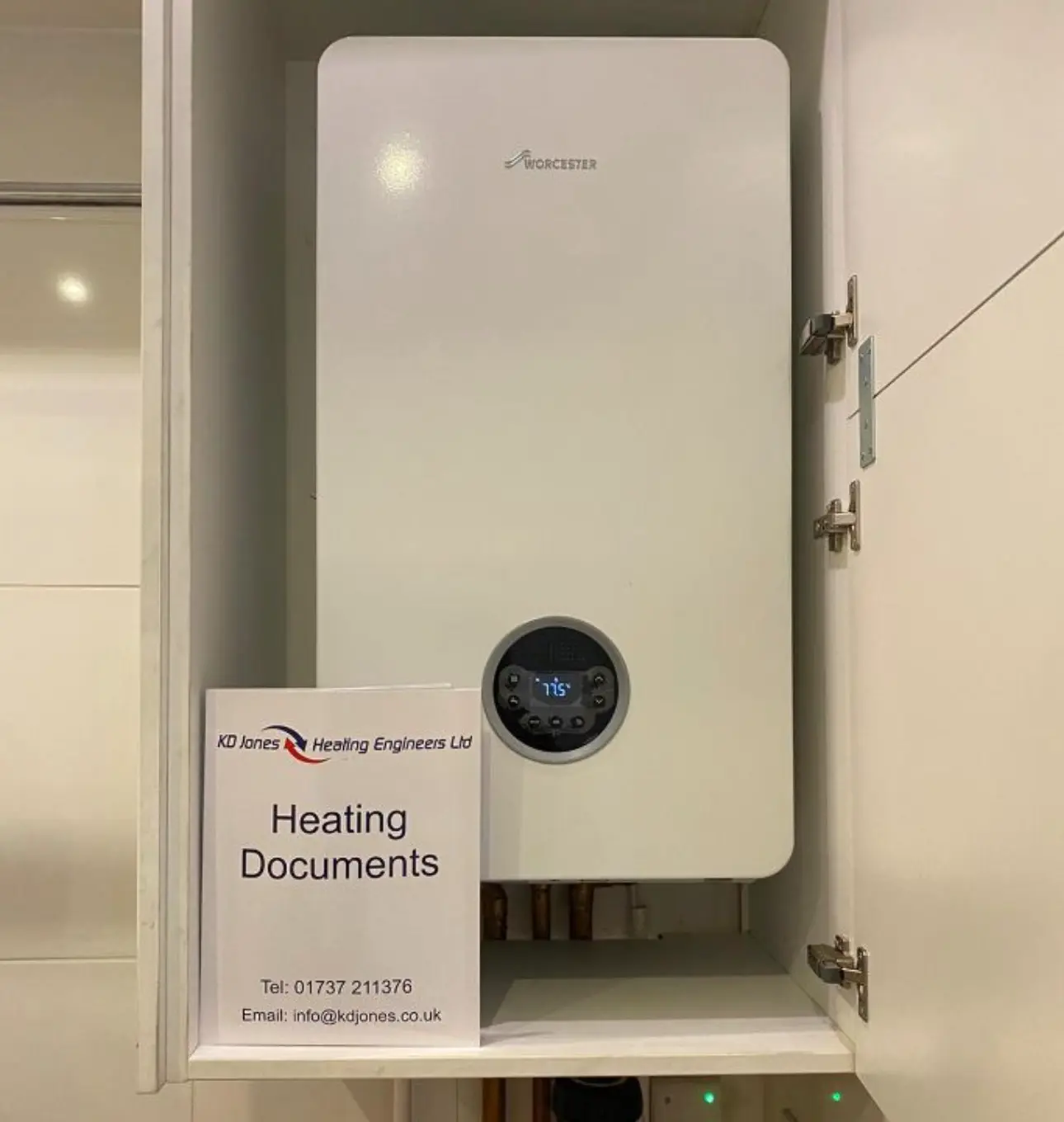
Why Is My Boiler Leaking Water From Underneath?
Why Is My Boiler Leaking Water From Underneath? What It Could Mean
It’s always a worry when you find your boiler leaking water, but it’s not an immediate sign that you need a new boiler, but that something is wrong and needs looking into. You shouldn’t ignore it; it may be a straightforward issue that you can address yourself, or it may need a heating engineer to investigate the issue further.
Quick Summary
If your boiler is leaking water from underneath, there are several possible causes, ranging from a loose connection or pressure-relief discharge to a leaking internal component. A small drip does not necessarily mean your boiler needs replacing, but you should not ignore it. Switch the boiler off if there is a significant leak, avoid opening the casing, and get a Gas Safe registered heating engineer to investigate the cause.
Why Is My Boiler Leaking Water From Underneath?
Finding water underneath your boiler is not something to ignore, even if it is only a small drip.
A boiler contains several water-carrying components and connections so a leak can happen for several reasons. Sometimes it is a relatively straightforward issue, such as a worn seal or connection. In other cases, water dripping from the boiler can point to a component that needs repairing or replacing.
The important thing is to work out where the water is coming from and why it is there. Simply wiping up the water underneath your boiler will not solve the problem.
What Does A Boiler Leak Look Like?
A boiler leaking water can show up in a few different ways.
You might notice:
- A small puddle directly underneath the boiler
- Water dripping from the bottom of the casing
- Damp marks on the wall below the boiler
- Water appearing around the pipework underneath
- A slow drip that gets worse when the heating is running
- A larger amount of water appearing suddenly
The amount of water can give you a clue, but it does not tell you exactly what has failed. A slow drip can still be caused by a component that needs professional attention.
Why Is Water Coming From Under My Boiler?
There are several possible reasons for a boiler leaking water from underneath. The cause depends on the type of boiler, its age, and exactly where the water is escaping.
A Leaking Pipe Or Connection
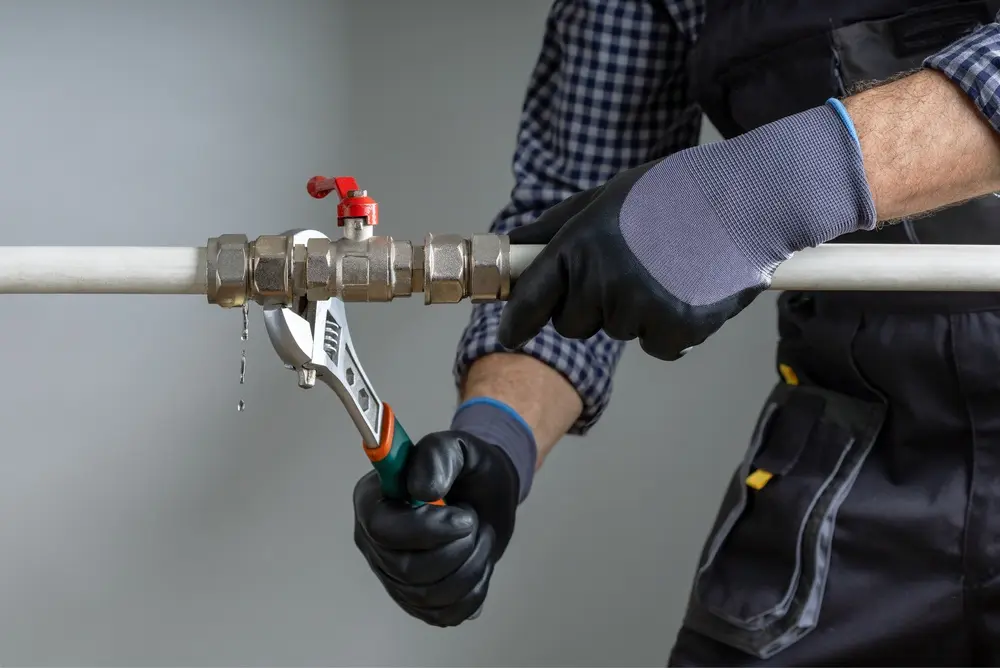
One of the simpler possibilities is a leak from a pipe or connection underneath the boiler.
Connections can develop leaks over time as seals deteriorate or components move slightly with changes in temperature. You may see water collecting around one of the external pipes before it drips onto the floor.
If you can clearly see water coming from an external connection, don't try to tighten or dismantle it yourself. The connection may need a new seal, washer, or further investigation to find out why it has started leaking.
A Problem With The Pressure Relief Valve
Your boiler has safety components designed to protect the system if water pressure becomes too high.
One of these is the pressure relief valve. If it opens to discharge excess pressure, water can leave the system through the discharge pipe. If the valve does not close properly afterwards, it can continue to drip.
This can sometimes leave you with a boiler that appears to be leaking underneath when the actual issue is further along the discharge pipework.
A Leaking Internal Component
A boiler contains a number of internal components that carry water. Seals, valves, pumps and other parts can wear over time and eventually start leaking.
If the water is coming from inside the boiler casing, do not remove the casing to investigate it yourself.
Gas appliances contain safety-critical components, and opening the boiler should be left to a qualified engineer. A professional can identify the source of the leak and determine whether the component can be repaired or needs replacing.
A Condensate-Related Issue
Condensing boilers produce condensate as part of normal operation. This is normally carried away through the condensate pipe.
A problem with the condensate system can sometimes result in water where it should not be. This is different from a frozen condensate pipe causing a boiler shutdown, so if you are seeing actual water underneath the appliance, it is worth getting the source checked rather than assuming it is simply condensation.
The Heat Exchanger Could Be Leaking
The heat exchanger is an important part of the boiler that transfers heat into the water used by your heating system.
Over time, corrosion or damage can cause a heat exchanger to leak. Depending on the design of the boiler, water may then make its way to the bottom of the appliance.
Heat exchanger repairs can be more involved than replacing an external seal or connection. On an older boiler, the cost of repairing a major component may also make replacement worth discussing.
What Should I Do If My Boiler Is Leaking?
If you have noticed water dripping from your boiler, start by looking at the situation rather than immediately trying to fix it.
If it is safe to do so:
- Put a container or towel underneath the leak to protect the surrounding area.
- Check whether the leak is getting worse.
- Look at the boiler display for any warnings or changes.
- Check the system pressure if your boiler has a pressure gauge or pressure display.
- Avoid touching electrical connections or removing the boiler casing.
If there is a substantial leak, water is reaching electrical equipment, or you are concerned about the safety of the appliance, switch the boiler off and contact a qualified heating engineer.
Don't keep using a boiler simply because it still appears to be working. A small leak can become a much larger one.
Can I Still Use A Boiler That Is Leaking?
It depends on the severity and cause of the leak, but continuing to run a leaking boiler is not something to ignore.
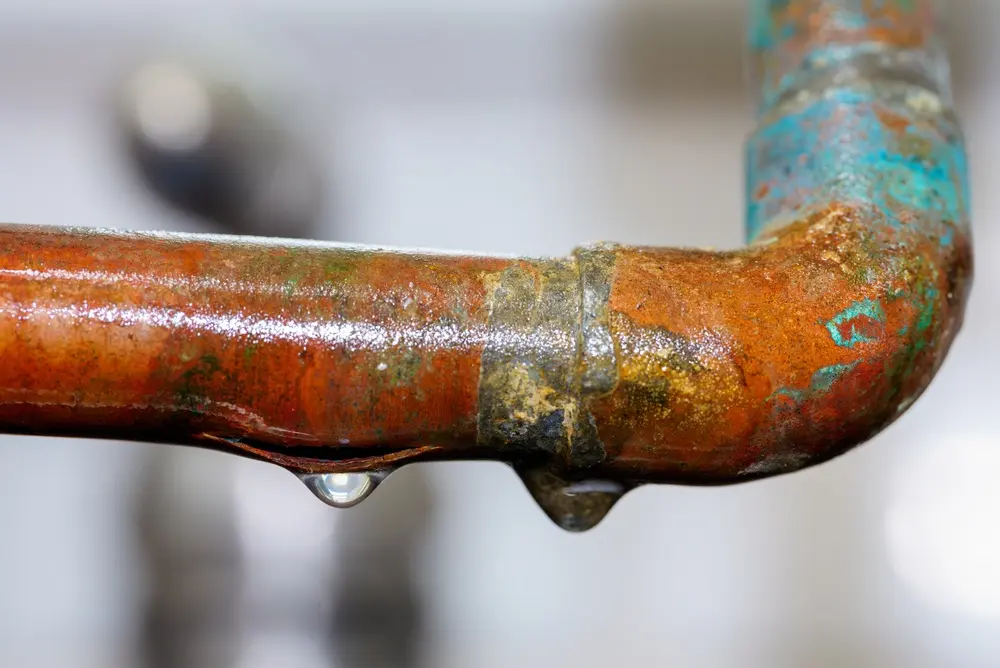
A very small drip might seem harmless, but the water can damage the boiler, surrounding cupboards, walls or flooring. If the leak worsens, the boiler may also lose system pressure and eventually stop working.
If you have a boiler leaking water, getting the cause identified early is usually better than waiting until the leak becomes a breakdown.

Does A Boiler Leak Mean I Need A New Boiler?
Not necessarily.
A leaking connection, seal or replaceable valve does not automatically mean the boiler needs replacing. Many leaks can be repaired without replacing the whole appliance.
Replacement becomes more worth considering when the boiler is older, the leaking component is expensive to replace, or the appliance has developed several problems rather than one isolated fault.
This is where an engineer can help you make the decision based on the actual condition of your boiler rather than simply its age.
If replacement does make sense, KD Jones installs new boilers from £1,900 including VAT, with 0% boiler finance available on eligible installations.
When Should I Call A Heating Engineer?
You should arrange an inspection if you have noticed:
- Water repeatedly appearing underneath the boiler
- A leak that is getting worse
- Pressure repeatedly dropping
- Water coming from inside the boiler casing
- Signs of corrosion or damp around the appliance
- A boiler that has started leaking alongside other performance problems
A Gas Safe registered engineer can trace the leak, identify the failed component and explain whether repair or replacement is the sensible option.
Trying to diagnose the source yourself can be misleading because water does not always appear directly below the component that is leaking.
Speak To KD Jones
If you are wondering why your boiler is leaking water from underneath, KD Jones can inspect the appliance and find out what is causing the problem.
We can advise on the most appropriate repair and, if your boiler is reaching the point where replacement makes more sense, talk you through your options without unnecessary pressure.
📞 Call us on 01737 211376
🌐 Visit our contact page to request a quote online
📍 Based in Redhill, we cover homes across Surrey and the surrounding areas
FAQs
Why is my boiler leaking water from underneath?
A boiler can leak underneath because of a leaking pipe connection, worn seal, pressure relief valve, condensate issue, or a leaking internal component such as a pump or heat exchanger. The exact cause needs to be identified by a heating engineer.
Is a boiler leaking water dangerous?
A small water leak is not necessarily an immediate emergency, but it should not be ignored. Water can damage the boiler and surrounding property, and a worsening leak may cause the system to lose pressure or stop working.
Can I use my boiler if it is leaking?
It is best to have the leak assessed rather than continuing to use the boiler as normal. If the leak is significant, water is reaching electrical components, or the boiler is behaving abnormally, switch it off and contact a qualified engineer.
What should I do if water is dripping from my boiler?
Put a container or towel underneath the leak to protect the surrounding area, avoid opening the boiler casing and arrange for a heating engineer to investigate it. If there is a significant leak, switch the boiler off.
Why is water dripping from the bottom of my boiler?
Water dripping from the bottom can come from pipe connections underneath the appliance or from a component inside the boiler. The visible drip does not always show exactly where the leak started, so professional diagnosis is recommended.
Can low boiler pressure cause a leak?
Low pressure itself is not normally the cause of a leak. Instead, a leak somewhere in the heating system can cause the pressure to fall. If you keep having to top up the system, the reason for the pressure loss should be investigated.
Can a pressure relief valve cause my boiler to leak?
Yes. If the pressure in the system becomes too high, the pressure relief valve can discharge water. If the valve continues to pass water afterwards, you may notice water coming from the discharge pipe.
Could my heat exchanger be leaking?
It is possible. A damaged or corroded heat exchanger can allow water to escape inside the boiler. Because the heat exchanger is an internal component, the boiler casing should not be removed by a homeowner.
Does a leaking boiler always need replacing?
No. Some leaks are caused by relatively straightforward components or connections that can be repaired. Replacement is more likely to be considered if the boiler is older, the repair is expensive, or there are several ongoing faults.
How much does a new boiler cost?
KD Jones installs new boilers from £1,900 including VAT. 0% boiler finance is also available on eligible installations, allowing the cost to be spread rather than paid all at once.