


‘Why Is My Boiler Whistling?’
7 Common Causes And Fixes Explained
Quick Summary
If you are asking “why is my boiler whistling?”, the most common causes are limescale build-up, trapped air, low water pressure, or restricted water flow. A boiler making a whistling noise can sometimes be harmless, but it can also signal inefficiency or potential damage if left unchecked. If the boiler frequently whistles when heating turns on, it is advisable to have a qualified heating engineer inspect the system.
Why Is My Boiler Whistling?
A whistling boiler is not something to ignore. While it might start as a faint high-pitched sound, it often indicates that something inside the system is not operating as it should.
The noise usually comes from water or steam moving through restricted spaces. Think of it like air escaping from a kettle — the same principle applies inside your boiler.
If your boiler is making a whistling noise regularly, it is worth understanding the root cause before it develops into a bigger issue.
What Does A Boiler Whistling Noise Mean?
Boiler whistling is often referred to as “kettling.” This happens when water overheats and produces steam bubbles that collapse, creating a whistling or rumbling sound.
It is most noticeable when:
- The heating is on
- The boiler is working harder than usual
- Radiators are slow to warm up
If the boiler whistling when heating comes on is consistent, it is a clear sign that the system needs attention.
Limescale Build-Up (Kettling)
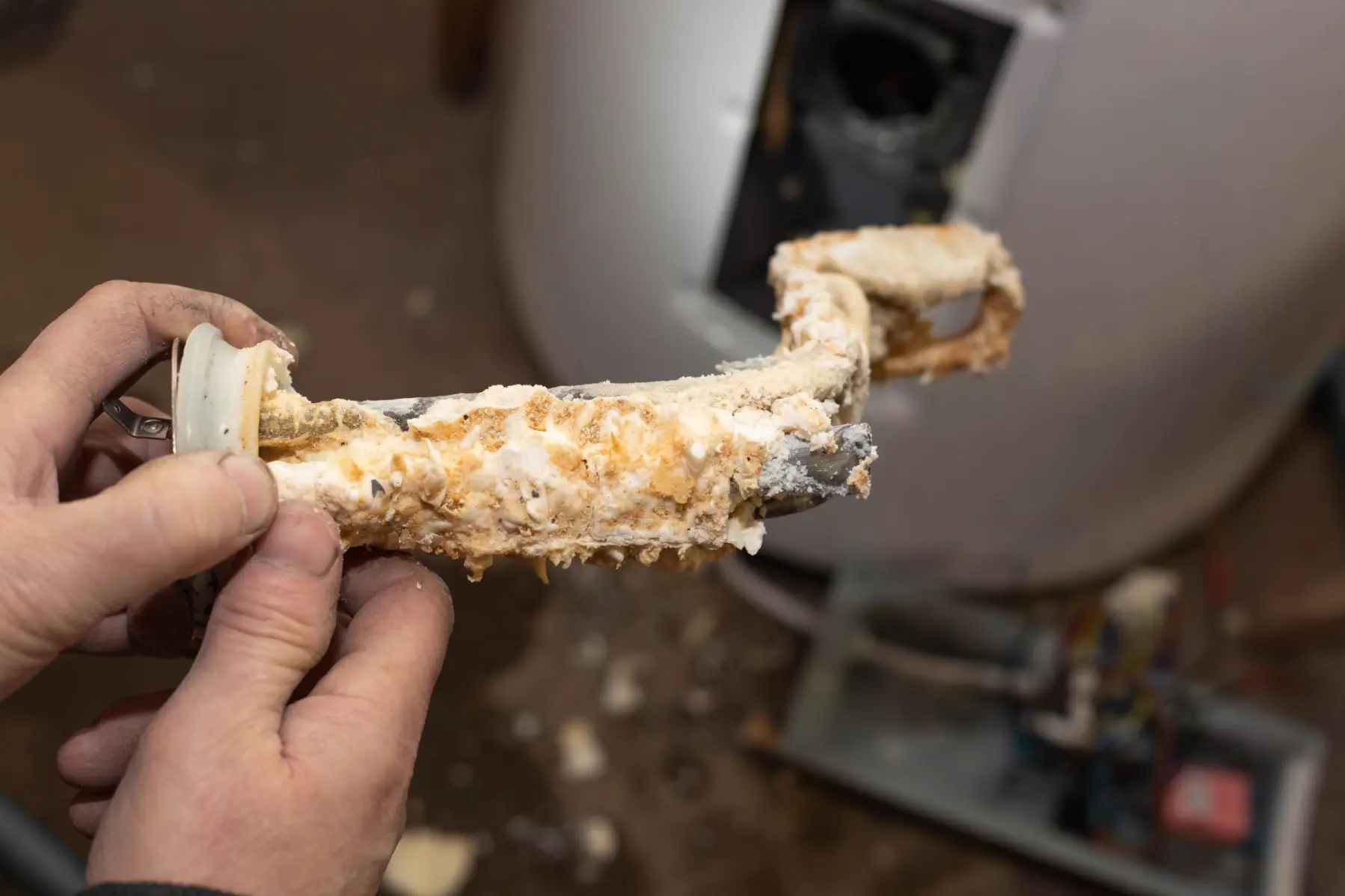
In hard water areas, limescale can build up inside the heat exchanger. This restricts water flow and causes overheating in specific areas.
As the water boils and forms steam, it creates that familiar whistling or kettle-like noise.
Over time, this reduces efficiency and increases energy bills. If left untreated, it can damage internal components.
Low Water Pressure
Low pressure can disrupt the normal flow of water through your boiler. When water struggles to circulate, it can lead to overheating in places, resulting in a boiler making whistling noise.
Most systems should sit between 1 and 1.5 bar when cold. If your pressure is below this, it may need topping up.
However, if pressure keeps dropping, it is a sign of a leak or system fault that needs professional attention.
Trapped Air In The System
Air pockets in your heating system can create unusual noises, including whistling.
You might also notice:
- Gurgling radiators
- Cold spots on radiators
- Uneven heating
Bleeding your radiators can often resolve this issue. If the problem persists, there may be a deeper circulation issue.
Restricted Water Flow
Poor circulation is a common reason for boiler whistling.
This can be caused by:
- Sludge build-up
- Partially closed valves
- A failing pump
- Blocked pipework
Restricted flow causes the boiler to overheat internally, leading to noise and inefficiency.
Thermostat Or Control Issues
If your thermostat is not communicating properly with the boiler, it can cause irregular heating cycles.
This can lead to overheating and, in turn, a boiler making a whistling noise.
Check that your thermostat is set correctly and positioned in a suitable location away from direct heat sources.
Pump Problems
The pump is responsible for moving water around your heating system.
If it is faulty or set incorrectly, water may not circulate as it should. This can create pressure points and overheating, resulting in whistling sounds.
A heating engineer can test and adjust the pump if needed.
Ageing Boiler Components
Older boilers are more prone to internal wear and tear. Components such as the heat exchanger or valves may become less efficient over time.
If your boiler is over 10-15 years old and making unusual noises, it may be reaching the end of its lifespan.
Is A Whistling Boiler Dangerous?
A common concern is: is a whistling boiler dangerous?
In most cases, a whistling boiler is not immediately dangerous. However, it should never be ignored.
It can lead to:
- Reduced efficiency
- Higher energy bills
- Increased wear on components
- Potential breakdowns
If the noise is loud, persistent, or accompanied by other issues such as loss of heating or pressure drops, it is time to call a professional.
What You Can Check Safely
There are a few simple checks you can carry out:
- Check the boiler pressure and top up if needed
- Bleed radiators to remove trapped air
- Ensure the thermostat is working correctly
- Listen for changes in noise when heating is on
Avoid opening the boiler or attempting internal repairs yourself.
When To Call A Heating Engineer
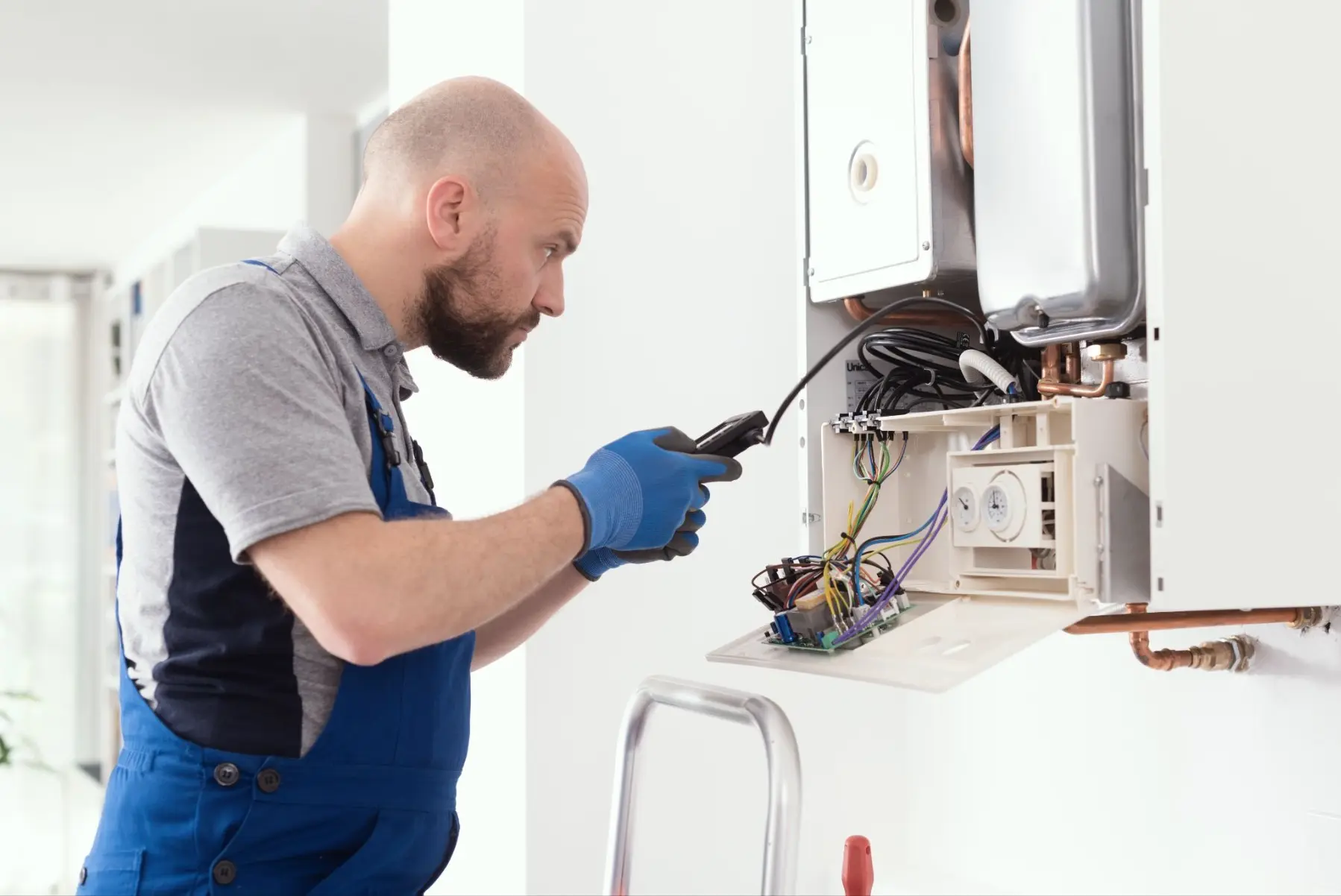
If your boiler whistling when heating on happens regularly, it needs proper diagnosis.
You should contact a Gas Safe registered engineer if:
- The noise is getting worse
- Pressure keeps dropping
- Radiators are not heating evenly
- The boiler shows fault codes
The goal is to fix the underlying cause, not just silence the noise.
When Replacement Might Be The Best Option
If your boiler is older and experiencing multiple issues, replacement may be more cost-effective than ongoing repairs.
A modern boiler will run more efficiently, reduce noise, and improve overall comfort.
KD Jones installs new boilers from £1900 including VAT, with 0% finance options available to help spread the cost.
Speak To KD Jones Heating Engineers
If you are dealing with boiler whistling, we can help diagnose and resolve the issue quickly and safely.
Whether it is a simple fix or a full system upgrade, our experienced engineers will guide you through the best option.
📞 Call us on 01737 21137
🌐 Visit our contact page to request a quote
📍 Based in Redhill, covering Surrey and surrounding areas
FAQs
Why is my boiler whistling suddenly?
It is usually caused by limescale, trapped air, or pressure issues that have developed over time.
Is a boiler making whistling noise an emergency?
Not usually, but it should be checked if it persists or worsens.
Why is my boiler whistling when heating on?
The boiler works harder during heating cycles, which can highlight flow or pressure problems.
Can low pressure cause boiler whistling?
Yes, low pressure can lead to poor circulation and overheating.
Will bleeding radiators stop the whistling?
It can help if trapped air is the cause.
What is kettling in a boiler?
Kettling is when limescale causes overheating and steam bubbles, creating a whistling sound.
Is a whistling boiler dangerous?
Not immediately, but it can lead to damage if ignored.
Can I fix a whistling boiler myself?
You can check pressure and bleed radiators, but most issues need a professional.
Does boiler age affect whistling noises?
Yes, older boilers are more prone to internal wear and noise.
How do I stop my boiler from whistling?
The solution depends on the cause, but a heating engineer can diagnose and fix it properly.