


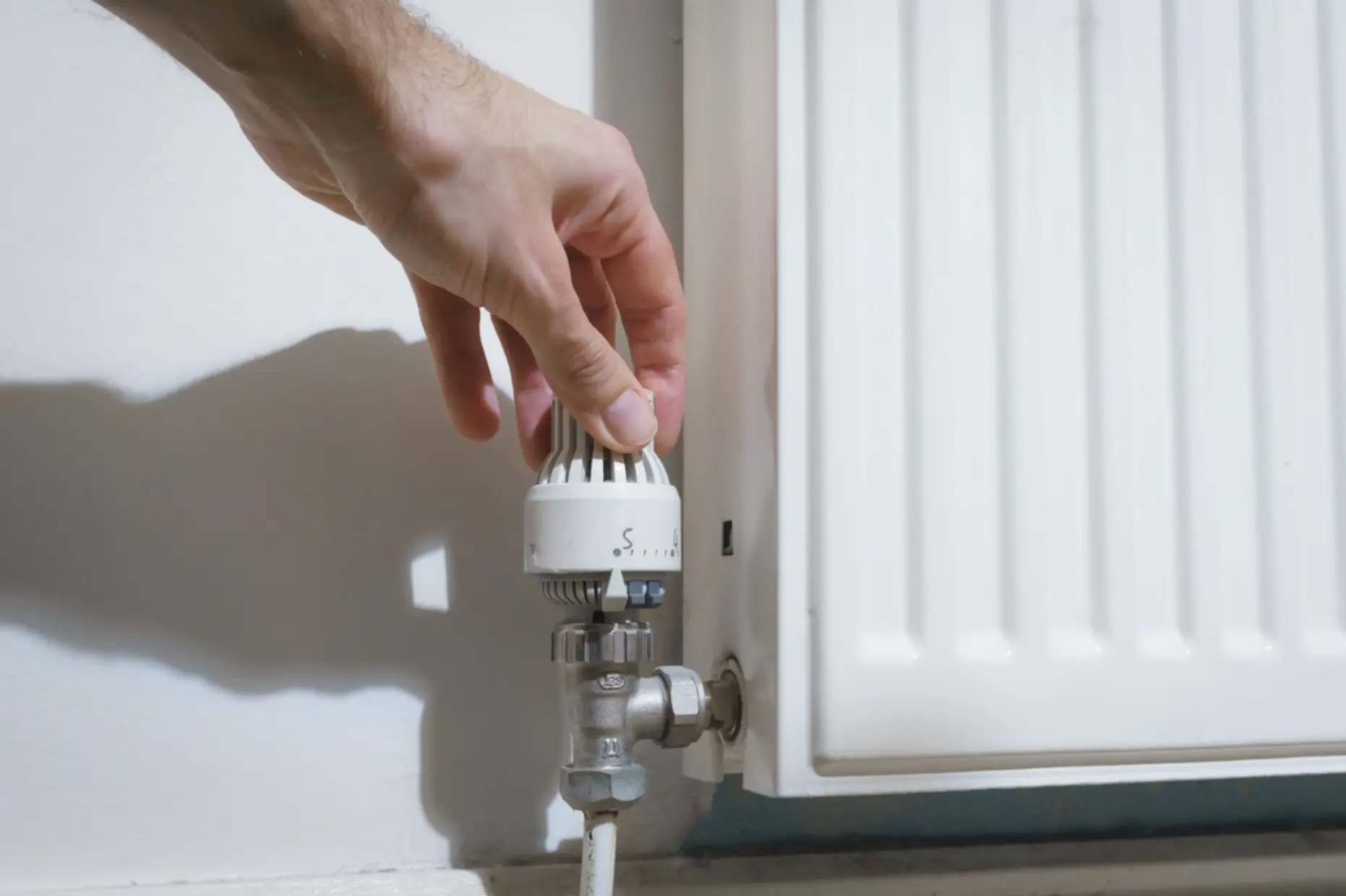
The Cost Of New Boiler And Radiators And How To Budget For Them
If you are looking into the cost of new boiler and radiators, you are probably also wondering “do I need new radiators for a combi boiler?” Or perhaps whether the boiler alone is enough to improve your heating. A new boiler can make a real difference, but the rest of your central heating system still has to work properly with it.
Some homes only need a boiler replacement. Others benefit from upgrading radiators at the same time, especially if the system is old, uneven, slow to heat or showing signs of corrosion.
Quick Summary
The cost of a new boiler and radiators depends on your property size, radiator count, boiler type, pipework condition and installation complexity. A new combi boiler does not automatically mean you need new radiators, but old or undersized radiators can reduce performance. If you already have cold spots, leaks, rust or rooms that never feel comfortable, it may be worth upgrading your heating system as one joined-up project.
What Affects the Cost of New Boiler and Radiators?
Current UK cost guides place typical boiler replacement in the low thousands, with the wider total affected by boiler type, output, brand and installation complexity. Adding radiators, pipework changes, controls and system preparation will increase the total installation cost, particularly in larger homes.
The main cost factors usually include:
- The type of boiler being installed
- Whether it is a straight replacement or a conversion
- How many radiators need to be replaced
- Whether new pipework is needed
- The condition of the existing central heating system
- Whether heating controls are being upgraded
Part of the Work |
What It Usually Covers |
Cost Impact |
|
Boiler installation |
New boiler, fitting, flue work and commissioning |
Usually the main cost |
|
Radiator replacement |
New radiators, valves and fitting |
Depends on number and size |
|
Pipework changes |
Altering or renewing heating pipework |
Can increase labour time |
|
Heating controls |
Thermostat, programmer or smart controls |
Smaller but useful upgrade |
|
System cleaning |
Flushing or protecting the heating system |
Helps protect the new boiler |
Do You Need New Radiators with a New Boiler?
In many cases, no. If your radiators are in good condition, correctly sized and heating evenly, they may work perfectly well with a new boiler.
However, a new boiler cannot fully compensate for poor radiators. If the boiler is efficient but the radiators are full of sludge, too small for the room or badly balanced, you may still have rooms that heat slowly or never feel quite right.
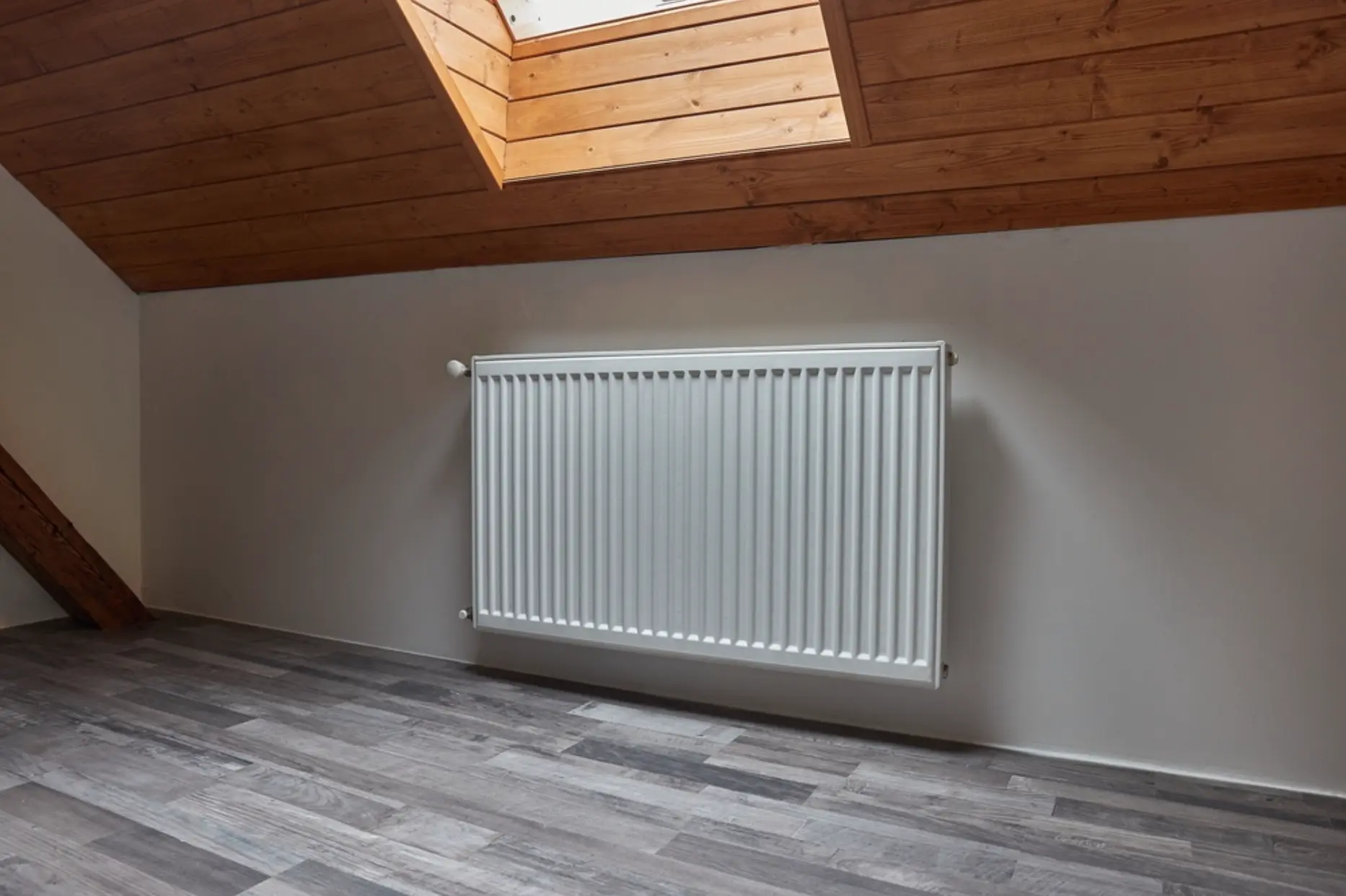
Signs It May Be Time to Replace Radiators
Common signs include:
- Radiators have cold spots even after bleeding.
- Some rooms heat much more slowly than others.
- Radiators are rusty, leaking or badly marked.
- The radiator size is no longer suitable for the room.
- Old valves are stiff, leaking or difficult to control.
- Your heating bills feel high despite regular boiler servicing.
Why Cold Spots Matter
Cold spots often suggest trapped air, sludge or poor circulation. Bleeding may help if air is the issue, but sludge inside older radiators can stop hot water moving properly through the system.
Cold Spots and Uneven Heat
If several radiators have cold areas or one part of the house is always cooler, the issue may sit deeper in the heating system. Replacing selected radiators, improving valves or cleaning the system may help the new boiler perform as intended.
How Much for New Boiler and Radiators?
There is no single price that applies to every home. A small property with a straightforward combi boiler replacement and a few radiators will cost far less than a larger home needing multiple radiators, pipework adjustments and more detailed installation work.
This is why a proper home assessment matters. It allows the heating engineers to look at the property, understand the hot water demand, check radiator performance and recommend the right type of boiler for your home.
Boiler Costs vs Long-Term Value
It is natural to focus on the upfront boiler costs, but long-term performance matters too. A poorly matched system can leave you paying for a new boiler without getting the comfort or efficiency improvement you expected.
Modern boilers and better heating controls can help reduce wasted energy when used correctly. The Energy Saving Trust says heating controls can help avoid overheating rooms, and upgrading an old G-rated boiler to an A-rated boiler with full controls can lead to significant annual savings in some homes.
A good boiler installation should consider boiler size, radiator sizing, water pressure, controls, system cleanliness, efficiency and future servicing access. Gas boiler work should always be carried out by Gas Safe registered engineers.
Should You Upgrade Your Heating System at the Same Time?
Upgrading radiators during a boiler installation can make sense when the existing system is dated or underperforming. It may reduce future disruption, improve room comfort and help the new boiler work with a cleaner, better balanced system.
KD Jones can assess your boiler, radiators and wider central heating system before recommending the most practical option. That may be a boiler replacement only, selected radiator upgrades, or a more complete heating improvement.
If you liked this, you may also like: Can I Get A Grant For A New Boiler?
📞 Call us on 01737 211376
🌐 Visit our contact page to request a quote
📍 Based in Redhill, covering Surrey and surrounding areas
Frequently Asked Questions About The Cost of New Boiler and Radiators
How much does a new boiler and radiators cost?
The cost depends on the boiler type, number of radiators, property size and whether pipework needs changing. A straightforward boiler replacement will usually cost less than a full heating system upgrade with multiple new radiators. The best way to get an accurate price is to have the system checked properly.
Do I need new radiators with a new boiler?
Not always. If your current radiators heat evenly, are the right size and are in good condition, they may work well with a new boiler. New radiators are usually worth considering if they are old, rusty, leaking or not warming rooms properly.
Do I need new radiators for a combi boiler?
You do not automatically need new radiators for a combi boiler. However, the radiators must be suitable for the heating output and layout of your home. If they are undersized or blocked with sludge, they may limit the benefit of the new boiler.
How do I know if my radiators need replacing?
Signs include cold spots, leaks, rust, slow heating and rooms that never reach a comfortable temperature. If bleeding the radiator does not solve the issue, there may be sludge or circulation problems. A heating engineer can check whether replacement or system cleaning is the better option.
Can old radiators make a new boiler less efficient?
Yes, they can. A modern boiler may still struggle if old radiators are blocked, poorly sized or unable to distribute heat properly. This can leave the boiler working harder than it needs to.
Is it cheaper to replace radiators at the same time as a boiler?
It can be more cost-effective to do both together if the radiators already need replacing. The heating system is being worked on anyway, so it may reduce disruption and labour duplication. However, it is only worth doing if the radiators genuinely need upgrading.
How long does it take to fit a new boiler and radiators?
A simple boiler replacement may take a day or two, while adding radiators can make the job longer. The timescale depends on how many radiators are being replaced and whether pipework needs altering. Larger homes or more complex systems may need extra time.
Will new radiators lower my energy bills?
New radiators can help rooms heat more effectively, especially if the old ones were inefficient or badly sized. They do not guarantee lower energy bills by themselves, but they can support better heating performance. Boiler efficiency, insulation, controls and usage habits all matter too.
Can I keep some radiators and replace others?
Yes, many homes only need selected radiator upgrades. For example, you might replace radiators in colder rooms, damaged areas or spaces where the room layout has changed. A full replacement is not always necessary.
Should I upgrade my heating controls when replacing my boiler?
It is usually worth considering. Better heating controls can help you manage temperature, timing and energy use more accurately. This can make the whole central heating system easier to run and more comfortable day to day.